
Surfing and Fishing: Why Both Cultures Belong Together
Two different ways of meeting the Atlantic, connected by patience, observation, weather, tides, and responsibility.
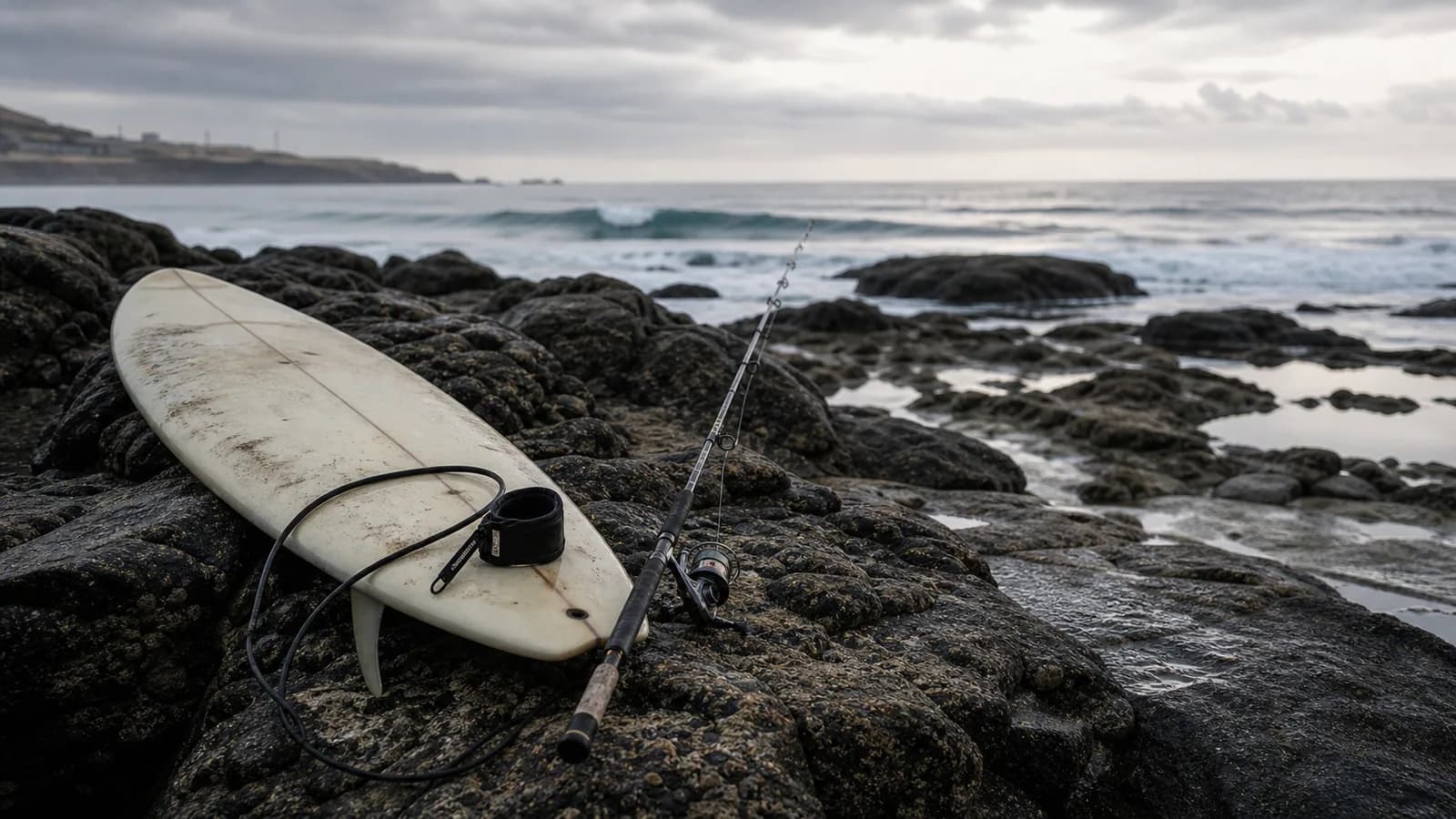
Surfing and fishing can look like separate worlds from the road. One person carries a board toward moving water; another carries a rod toward a place where they may stand still for hours. Yet both practices begin with the same decision: pay attention to the ocean before asking anything from it. At Fishing Waves, the connection is not a marketing combination. It is a real coastal rhythm in Morocco, where surf sessions, fishing mornings, city life, weather, and community overlap along the same Atlantic edge.
Both begin with waiting
The ocean sets the pace
A surfer cannot command a set to arrive. An angler cannot force a fish to move through a particular channel. Both can prepare, choose a position, and improve their timing, but the final opportunity belongs to conditions beyond them. That waiting is active rather than empty. You watch the horizon, feel wind direction, notice water color, and compare what is happening now with what happened ten minutes earlier.
Modern life encourages immediate response. The coast does the opposite. It rewards people who slow down enough to see a pattern. A surfer who paddles for every movement wastes energy. A fisher who changes position without reading the water may leave just before the useful moment. Patience is not passive; it is the discipline of remaining ready without becoming careless or frustrated.
Reading water is a shared language
Surfers study swell direction, period, wind, tide, peaks, channels, and how a wave meets the bottom. Shore fishers study many of the same elements for different reasons. Whitewater can reveal current. A darker band may indicate depth or weed. Birds can suggest feeding activity. Tide changes affect access to rocks as well as wave shape. Neither practice is learned only from an app. Forecasts provide context, while direct observation tells you what is actually happening.
This shared language creates respect between people who understand the consequences of missing a signal. A rising tide can close an exit. A sudden set can sweep equipment from a rock shelf. Offshore wind can improve surf while making small craft conditions more complicated. Knowledge is never complete, which is why experienced coastal people still pause before entering. Confidence without observation is not expertise.
- Watch several complete wave sets before choosing a position.
- Know how the tide changes access, current, and your route home.
- Treat local warnings as useful knowledge, not a challenge to your ability.
- Leave when conditions move beyond your equipment or experience.
Weather changes the whole day
Practical gear supports practical decisions
A few degrees of temperature, a shift in wind, or a fast-moving cloud line can transform a comfortable coast day. Surfers think about surface texture, wind chill, visibility, and whether the wave is becoming cleaner or more chaotic. Fishers think about casting, safety on wet rock, species movement, and how long it will remain possible to stand in a location. Both need clothing that works wet, dry layers for afterward, drinking water, and a plan that does not depend on the weather staying kind.
This is one reason coastal gear often crosses categories. A warm poncho, durable bag, cap, wind layer, or insulated drink can be useful whether the day centers on a board or a rod. The object matters less than the function: keep the person capable of making good decisions. Once cold, tired, or dehydrated, people take shortcuts. Comfort is not only pleasure; it can protect judgment.
Respect includes knowing where not to stand
Shared coast does not mean careless overlap
Surf lineups have priority rules. Fishing areas have casting space, working zones, and local customs. Problems begin when visitors act as though an open view means an empty place. A surfer paddling through a fisher's line can create danger. An angler casting across a busy surf entry can do the same. The answer is communication and distance, not competition over who belongs more.
Ask before setting up close to someone. Do not crowd a known local peak, a working boat area, or a narrow rock platform. Keep hooks, lines, boards, and leashes controlled. If the space cannot support both activities safely, choose another place or another time. Coastal culture becomes stronger when people can share information and adjust without turning every interaction into a claim of ownership.
Taking from the ocean creates responsibility
Surfing takes experience rather than fish, but it still has an environmental cost through travel, materials, broken equipment, wax packaging, and litter. Fishing can provide food and cultural continuity, but it requires knowledge of legal limits, species, size, season, and humane handling. Responsible practice is not a perfect identity. It is a series of choices that reduce avoidable harm.
Carry out line, hooks, bait packaging, food wrappers, and every piece of plastic you brought. Do not leave a damaged leash or snapped board material beside a bin that is already overflowing. Follow current local fishing rules and release protected or undersized catch carefully. Avoid broadcasting fragile locations or sensitive spots for online attention. The ocean is not a content backdrop; it is a living system and a workplace for many communities.
- Pack a small reusable waste bag before every session.
- Learn local fishing regulations from current official or trusted local sources.
- Repair equipment when possible and dispose of damaged materials correctly.
- Share general knowledge freely, but protect vulnerable places from careless exposure.
The community exists between the sessions
Knowledge moves sideways across the coast
The strongest coastal relationships are not built only during perfect conditions. They form in parking areas, repair shops, small cafes, harbor edges, clubs, and cleanup mornings. A surfer may learn tide behavior from a fisher who has watched the same coast for decades. A fisher may learn about an unexpected current from surfers who were in the water that morning. Young people see that the ocean can hold several identities without forcing them into separate groups.
Fishing Waves is built around that overlap. The brand speaks to surfers, anglers, creators, and people who simply feel more like themselves near Atlantic water. Limited products are one way to identify the community, but the deeper value is shared attention: looking after access, passing on knowledge, and making room for beginners without pretending risk does not exist.
One coast, different rituals
Connection does not require sameness
Surfing and fishing do not need to become the same activity. Their differences are part of the point. One follows motion; the other often builds around stillness. One measures a day in rides; the other may remember a single bite, a meal, or even a quiet blank session. What joins them is the willingness to return, observe, and accept that the ocean will not perform on demand.
That is the Fishing Waves idea in its simplest form: the coast is large enough for more than one ritual, but every ritual carries responsibility. Read our guide to respecting the ocean, explore the story of Casablanca surf culture, or visit Wave Club to see how products, ownership, and community connect after a drop. We belong together when we behave like neighbors rather than consumers of the same view.
Common questions
What do surfing and fishing have in common?
Both rely on patience, weather, tide knowledge, water reading, safe positioning, and respect for local coastal communities.
Can surfers and anglers safely share the same beach?
Often yes, when there is enough space and clear communication. Hooks, lines, boards, and entry routes need separation; narrow zones may require choosing different times or locations.
What does surf fishing culture mean to Fishing Waves?
It means treating board and rod cultures as neighboring Atlantic practices connected by observation, practical gear, local knowledge, and responsibility for the coast.
Shop the latest coastal drop.
Limited products shaped by Atlantic sessions, shore days, and Casablanca movement.
Shop Fishing WavesJoin the Fishing Waves community.
Eligible owners connect through product passes, member access, community stories, and future coastal projects.
Discover Wave ClubRelated stories
All articles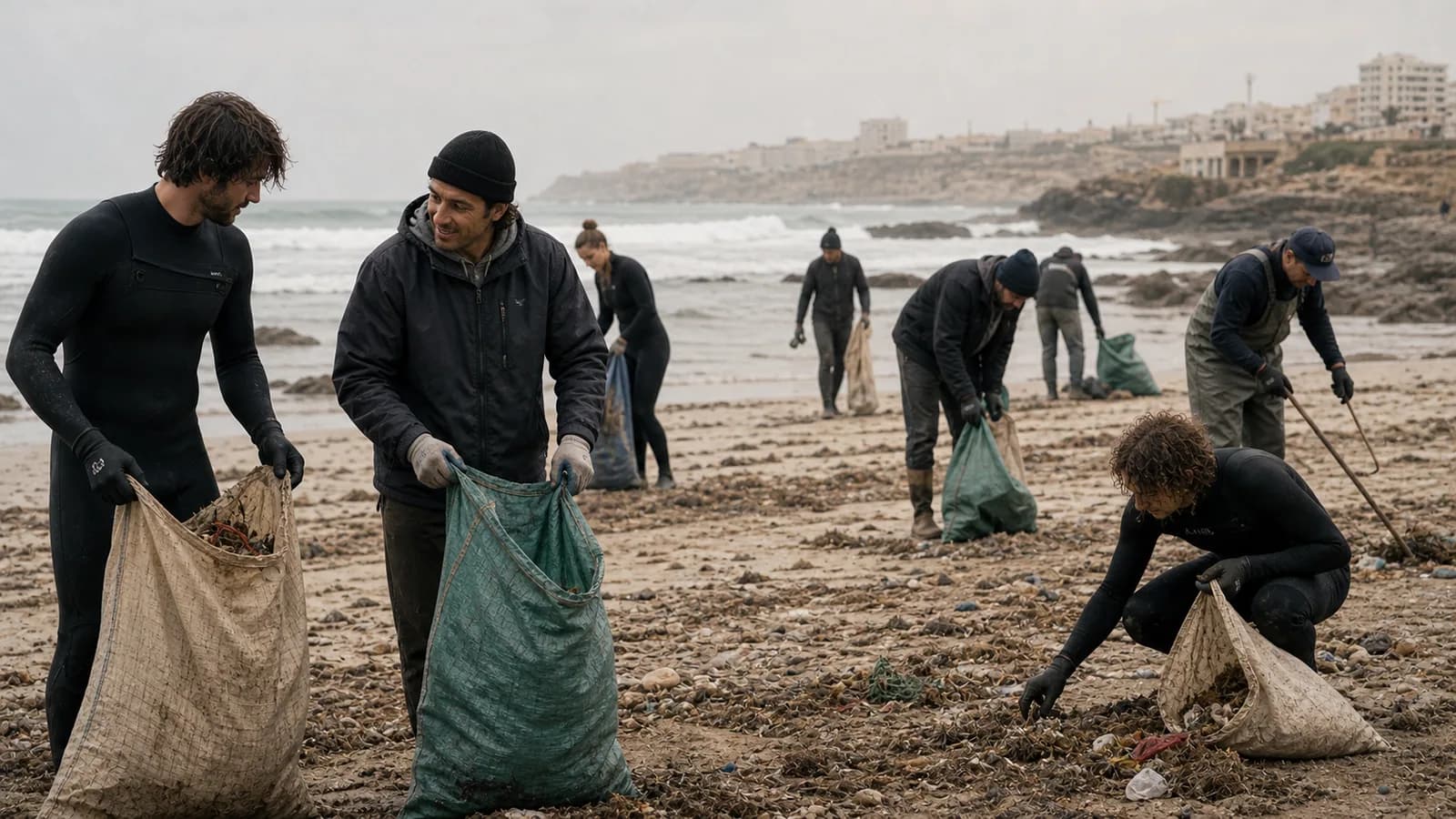
Fishing Waves Guide to Respecting the Ocean
A practical code for surfers, fishers, visitors, and creators who want cleaner beaches, safer sessions, and stronger local trust.
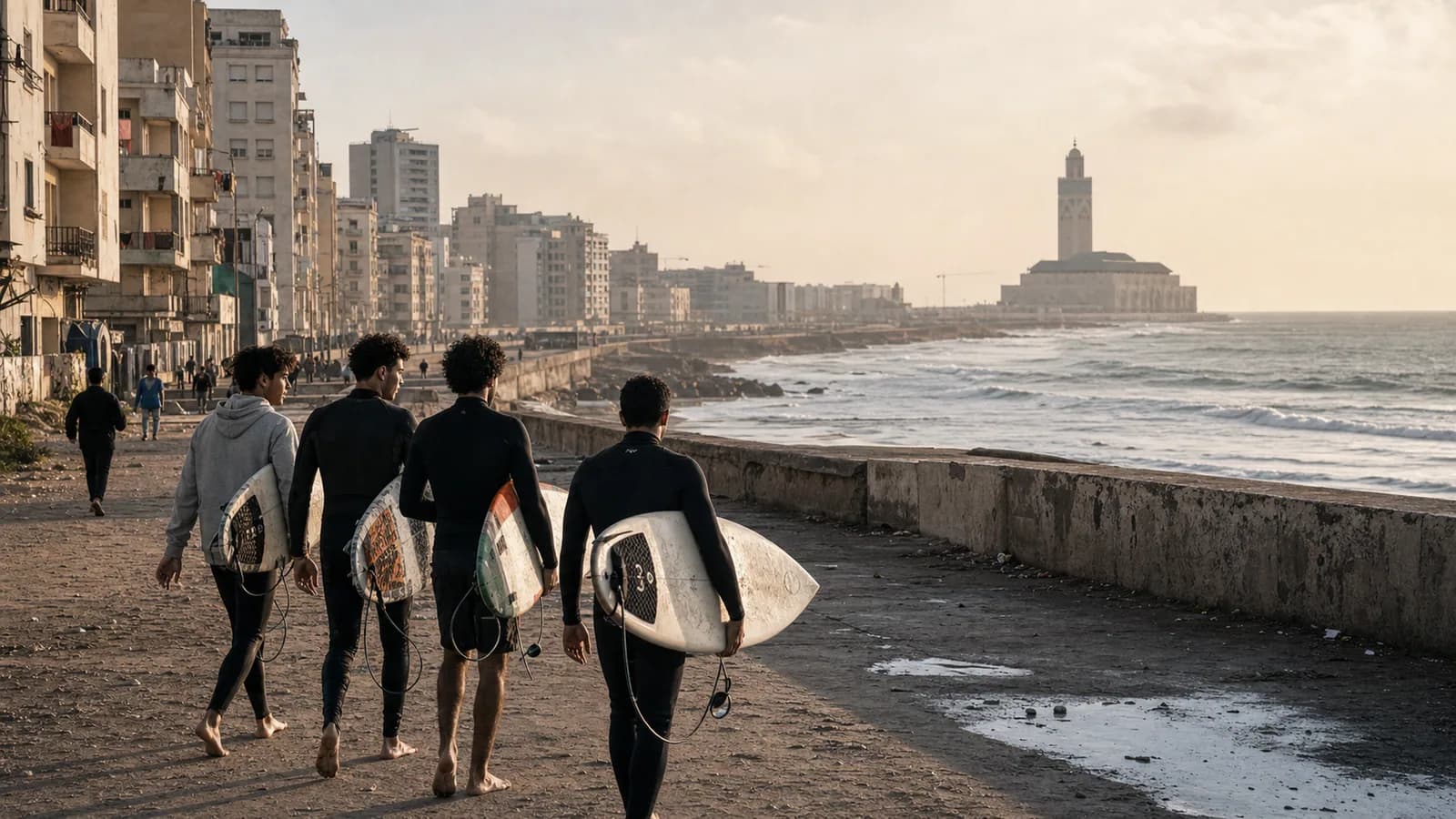
Casablanca Surf Culture: From City Life to Ocean Sessions
A local look at the movement between dense city days, Ain Diab sessions, fishing traditions, and Casablanca's Atlantic identity.
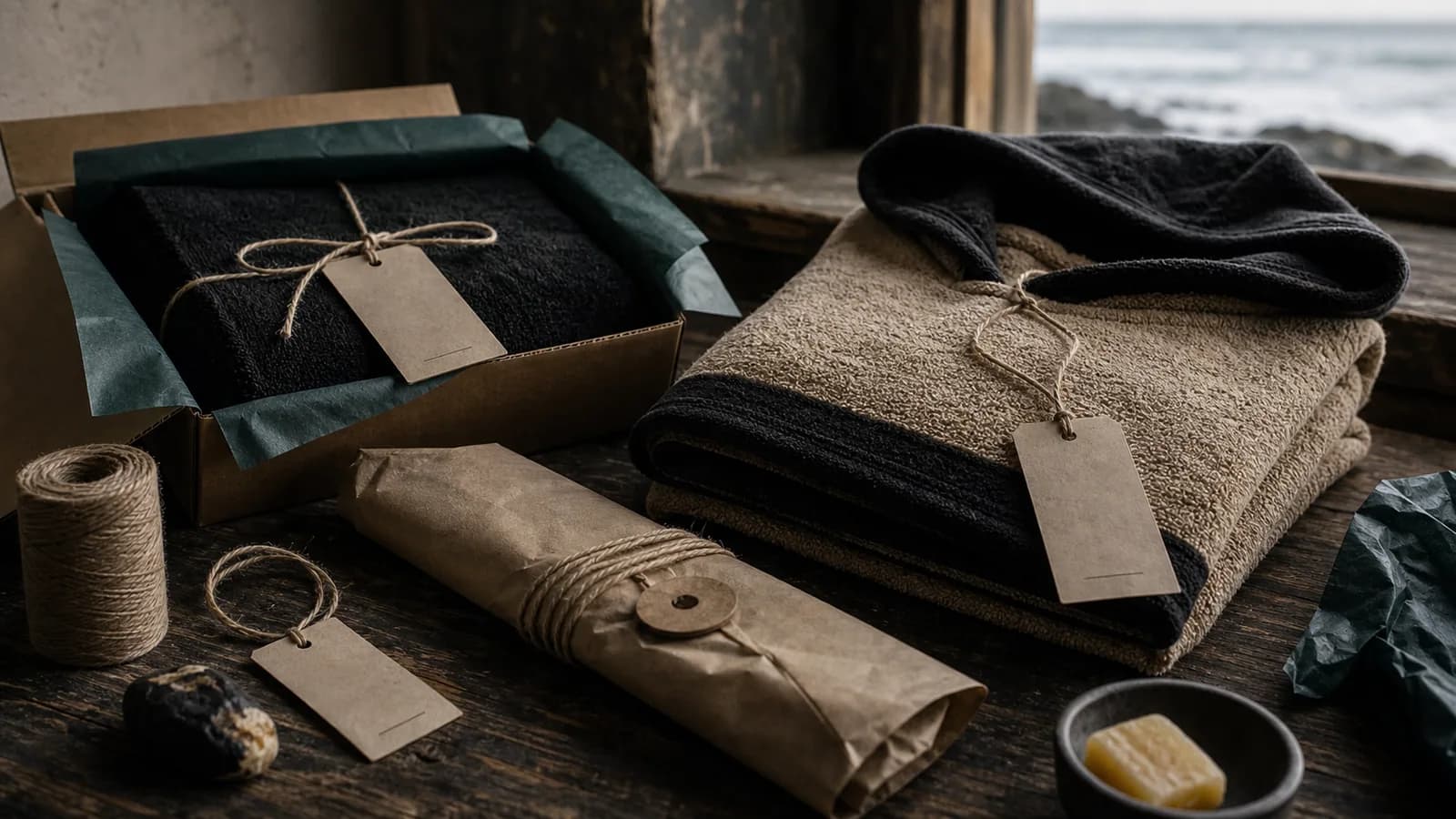
How Limited Surf Drops Create a Stronger Community
Why smaller releases, product identity, private access, verified ownership, and thoughtful resale can deepen a coastal brand community.