
Fishing Waves Guide to Respecting the Ocean
A practical code for surfers, fishers, visitors, and creators who want cleaner beaches, safer sessions, and stronger local trust.
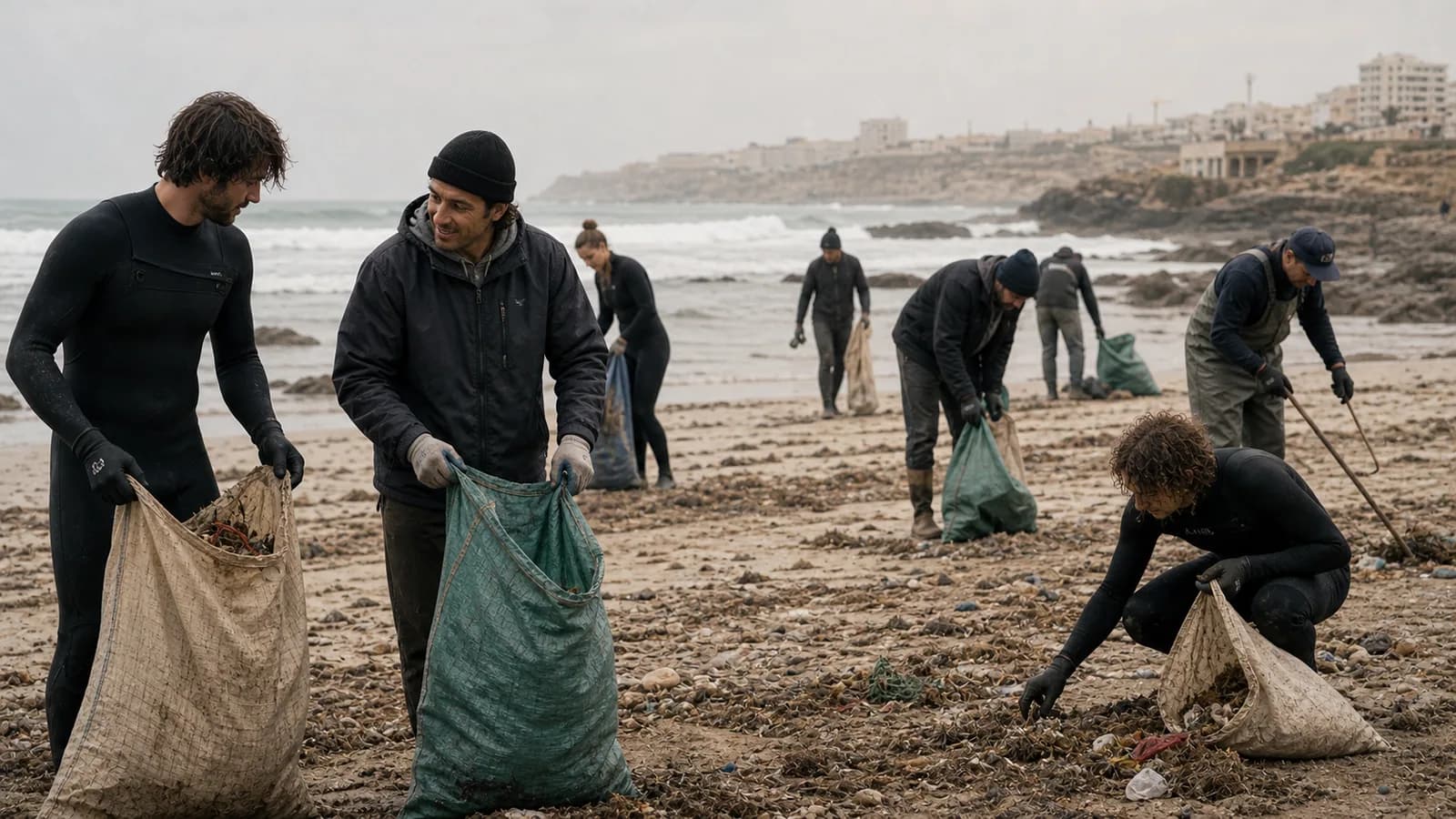
Respecting the ocean is easy to support as an idea and harder to practice when it interrupts convenience. It means carrying waste farther because a bin is full, leaving a wave to someone with priority, avoiding a fishing area that cannot safely hold more people, and accepting that some local knowledge should not become public content. It also means preparing well enough that rescuers, friends, and strangers are not asked to absorb avoidable risk. The Fishing Waves approach is practical: small repeated actions create cleaner access, safer sessions, and stronger trust along the coast.
Leave with everything you brought
Beach litter is not limited to obvious bottles and food packaging. Wax wrappers, broken leashes, fishing line, hooks, cigarette filters, tape, cable ties, and fragments of foam are easy to lose and difficult to recover. Build waste storage into your gear. A reusable bag weighs almost nothing and gives wet or sharp items somewhere to go until you find a proper disposal point.
If a bin is overflowing, do not balance more waste on top where wind can return it to the beach. Carry it out. Pick up a few safe items that are not yours, but use gloves for fishing line, hooks, glass, medical waste, or unknown material. Report dangerous waste to local authorities or beach managers rather than handling it without protection.
- Pack a reusable waste bag and a small container for line or hooks.
- Cut and contain discarded fishing line so it cannot entangle wildlife.
- Avoid single-use items when a durable alternative is realistic.
- Leave access paths cleaner than you found them.
Surf etiquette is safety, not status
Control your board and your position
Priority rules help prevent collisions. The surfer closest to the breaking part of the wave generally has the right of way, and a surfer already riding should not be dropped in on. Do not snake around someone who has been waiting, paddle directly through the riding line, or release your board when others are behind you. Beginners should practice in suitable zones until they can control direction and stop.
Etiquette also includes honest self-placement. Sitting at the main peak because you can paddle there does not mean you can manage the takeoff or crowd. Choose space that matches your ability. Apologize directly when you make a mistake and change the behavior. Local lineups are communities with memory; humility builds more access than performance.
Fishing etiquette begins with space and current rules
A legal and controlled line is part of coastal respect
Hooks and line create risks that are not always visible to swimmers or surfers. Cast only when you have a clear zone and can control the line. Avoid crowded swimming areas, surf entries, and narrow paths where someone can walk into a hook. Secure tackle during transport and collect every cut piece of line. On rock platforms, give other anglers enough room to cast and land safely.
Follow current Moroccan laws and local rules on species, size, protected areas, methods, and seasons. Regulations can change, so do not rely on an old social post or a visitor's memory. Take only what is legal and useful, handle catch carefully, and release protected or undersized fish with minimal delay. Responsible fishing includes deciding not to fish when conditions or information are uncertain.
Respect locals without turning the coast into a slogan
Act like a guest and a future neighbor
Saying respect locals means little if visitors block homes, argue with working fishers, demand directions to sensitive spots, or treat instruction as free. Start with ordinary courtesy: greet people, park responsibly, keep noise down, ask before photographing, and buy from local businesses. Learn how the place is used beyond your activity.
Local knowledge is not automatically correct in every detail, but it deserves attention because it comes from repeated exposure. When someone warns you about current, tide, access, pollution, or conflict, pause before dismissing it. If a rule is unclear, ask calmly. You are more likely to receive useful help when you show that the relationship matters more than reaching one wave or fishing platform.
Do not leak sensitive spots for attention
Not every useful experience needs precise coordinates
Sharing broad education about a region can help people prepare and support local businesses. Publishing precise access details for a fragile, dangerous, private, or culturally sensitive spot can create crowding and damage faster than the community can respond. Location tags, recognizable landmarks, and route videos can reveal more than a caption admits.
Before posting, ask what the information will do. Does it help safety or only prove that you were there? Was the place already publicly managed for visitors? Have local surfers or fishers asked for discretion? You can tell a meaningful story without naming every rock. Protecting a spot is not elitism when the goal is safety, habitat, access, or respect for a small local community.
Prepare so others do not carry your avoidable risk
Check weather, swell, tide, daylight, access, equipment, water, and communication before leaving. Tell someone where you are going when the location is remote. Use suitable flotation and safety equipment for boats or exposed fishing. Surf within your ability and avoid entering alone when conditions are uncertain. A phone is useful only if it remains charged, protected, and within signal.
Rescue services and local water users often respond when preparation fails. Emergencies can still happen to careful people, and anyone in danger deserves help. The point is not blame. It is reducing predictable problems such as broken gear, no exit plan, dehydration, darkness, and entering a known hazard without knowledge.
- Inspect boards, leashes, rods, line, footwear, and safety equipment.
- Know the exit route and how tide will affect it later.
- Carry water, sun protection, and dry layers appropriate to the day.
- Stop before fatigue removes your ability to make calm decisions.
Use products longer and repair what you can
Durability is a behavior as well as a material claim
Ocean culture produces equipment waste: neoprene, boards, resin, plastic packaging, synthetic fabric, line, lures, and broken accessories. Buy less carelessly. Choose items for repeated use, maintain them, repair small damage early, and pass suitable gear to another person when it no longer fits your needs. Limited products are meaningful only when limitation supports care rather than urgency for its own sake.
Wash and dry ponchos correctly, rinse salt from appropriate equipment, store boards away from heat, and keep fishing tackle organized so it does not rust into waste. Ask repair shops before deciding an item is finished. The most sustainable product is not always a new product with a green label; often it is the thing already in your hands, kept useful for another season.
Community standards become culture through repetition
The standard is what we repeat
One cleanup does not solve coastal waste, and one respectful session does not establish trust. Culture forms when the same standards appear in lessons, group chats, product pages, trips, events, and everyday choices. Experienced people should model behavior without humiliating beginners. Beginners should ask questions without expecting every answer to be made easy. Brands should connect identity to responsibility rather than using the ocean only as visual proof.
Explore Wave Club, read why surfing and fishing belong together, or learn how limited drops can support a smaller community. Fishing Waves cannot promise a perfect coast, but it can make its expectations clear: control your gear, protect access, listen locally, carry your waste, and leave enough room for the people and ecosystems that were there before you arrived.
Common questions
What is basic surf etiquette?
Respect priority, do not drop in, avoid paddling through the riding line, control your board, choose a zone that matches your ability, and communicate after mistakes.
How should fishing line be disposed of?
Collect every piece, cut long line into contained sections, secure hooks, and use a dedicated line-recycling or waste container where available. Never leave it loose near wildlife.
Why should some surf and fishing spots stay private?
Precise exposure can create unsafe crowding, habitat damage, access conflict, or pressure on small local communities. Share useful context without automatically sharing coordinates.
Shop the latest coastal drop.
Limited products shaped by Atlantic sessions, shore days, and Casablanca movement.
Shop Fishing WavesJoin the Fishing Waves community.
Eligible owners connect through product passes, member access, community stories, and future coastal projects.
Discover Wave ClubRelated stories
All articles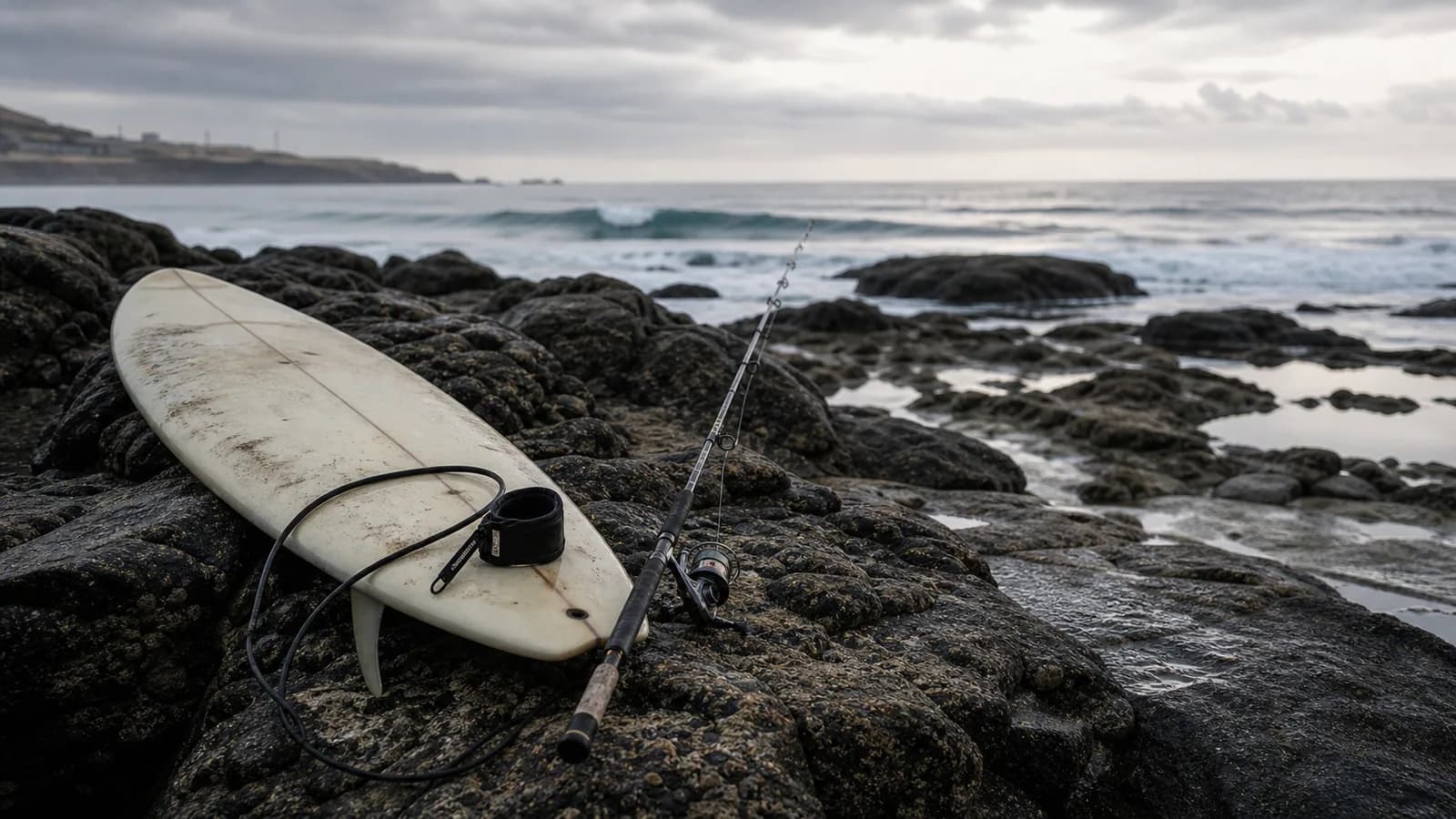
Surfing and Fishing: Why Both Cultures Belong Together
Two different ways of meeting the Atlantic, connected by patience, observation, weather, tides, and responsibility.

How to Read Waves Before Surfing
A shore-based method for seeing sets, peaks, whitewater, currents, wind, tide, and the safest way into and out of the water.
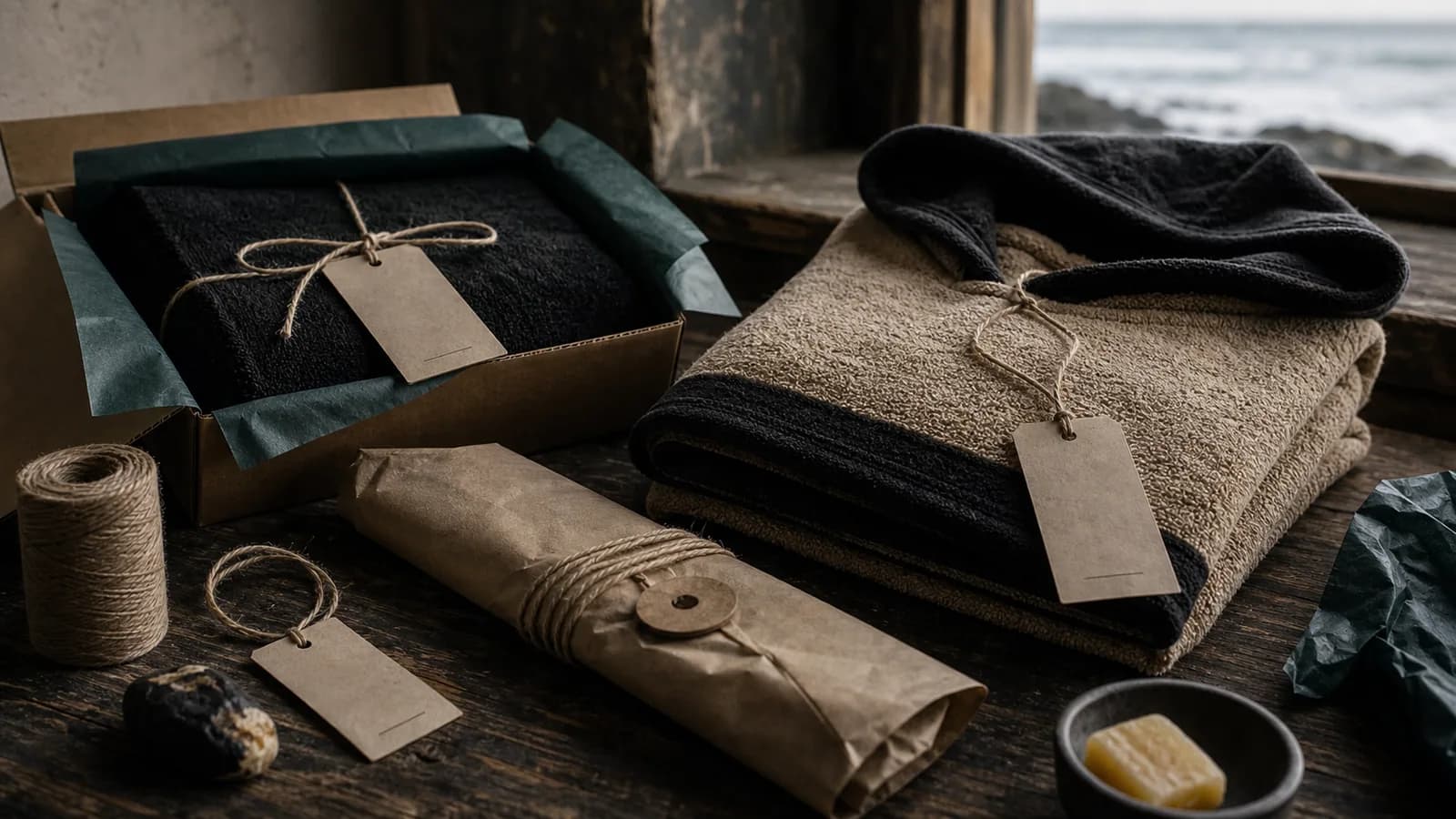
How Limited Surf Drops Create a Stronger Community
Why smaller releases, product identity, private access, verified ownership, and thoughtful resale can deepen a coastal brand community.