
How Limited Surf Drops Create a Stronger Community
Why smaller releases, product identity, private access, verified ownership, and thoughtful resale can deepen a coastal brand community.
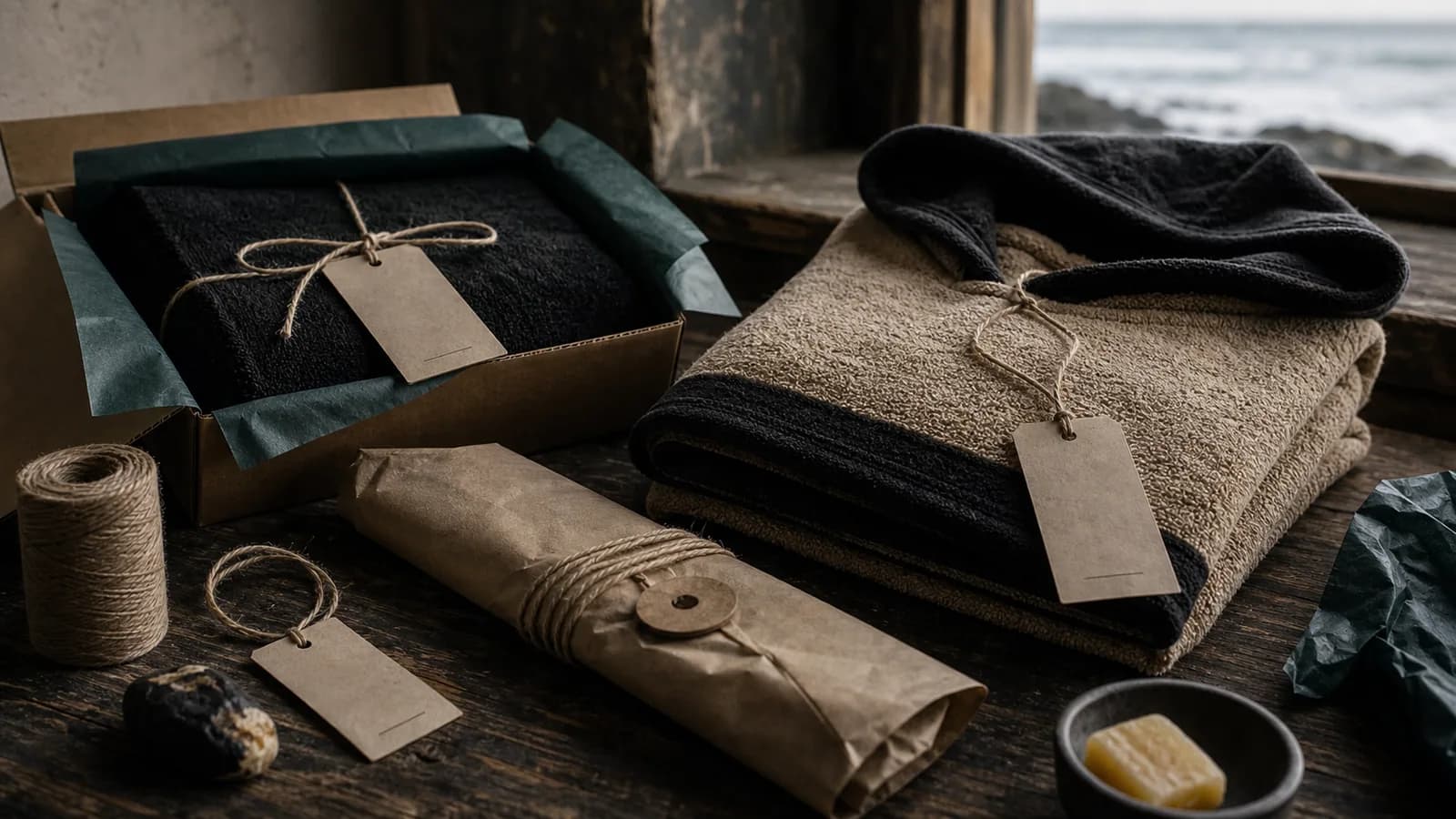
Limited drops can create excitement, but excitement alone does not create community. Artificial scarcity, unclear stock, and constant urgency can push people into fast purchases without building trust. A meaningful limited surf drop works differently. The release is small because the brand wants focus, identity, manageable quality, and a closer relationship with the people who own each piece. Product codes, private access, ownership records, and responsible resale can continue that relationship after checkout. At Fishing Waves, limitation should make the object and the community more specific, not make the customer anxious.
A small drop gives the product a clear point of view
Fewer pieces can carry a stronger identity
Large seasonal catalogs often ask every product to appeal to everyone. A limited drop can begin with one strong idea: a Casablanca weather pattern, a surf-and-fishing ritual, a useful poncho, a particular fabric, or a coastal graphic language. Fewer pieces allow the story, photography, packaging, and product details to stay connected. Customers can understand why the item exists instead of seeing it as another color in an endless menu.
Focus also supports better feedback. When a small community wears the same release in different ways, the brand can see what works, what fails, and what should change. The next drop can respond rather than merely expand. Limitation becomes useful when it creates attention, not when it hides weak planning behind a countdown.
Transparency separates limitation from manipulation
Urgency should never replace information
A community-first drop should communicate the release time, product details, price, sizing, delivery terms, and stock honestly. If a product is limited, explain what that means. Avoid fake countdown resets, hidden recurring stock, or claims that every item is almost gone. People should have enough information to decide whether the product fits their life and budget.
Fishing Waves uses scheduled drops and clear sold-out states so the release can feel like an event without pretending indexing, delivery, or future value is guaranteed. Cash on Delivery and local confirmation also need direct explanation. Trust grows when the customer understands what happens next, including what private access or product ownership does and does not provide.
Product codes can turn an item into a membership key
A unique certificate or product code can connect a physical piece to a verified owner. That connection makes several community features possible: access to a member area, recognition of the release, ownership history, and eligibility for a controlled resale process. The code should not pretend the product is a financial asset. Its purpose is identity, trust, and continuity.
For owners, this can make a limited piece feel less anonymous. They know which edition they hold and can prove that it came through the official release. For the brand, ownership records create a way to support customers after delivery without relying only on an email list. The relationship begins with the product but can continue through events, stories, feedback, and future access.
- Confirm that each eligible item maps to a real order and owner.
- Explain clearly what member access includes.
- Protect personal data and avoid exposing ownership details publicly.
- Never market product codes as guaranteed investment value.
Private access can reward participation without closing the coast
Reward ownership without selling belonging to the sea
Member previews and private release windows can recognize existing owners and active community members. Used carefully, they make people feel remembered rather than treated as a new advertising target every month. They also give the brand a smaller environment for testing communication and receiving feedback before a public launch.
Private access should not turn cultural knowledge or the ocean itself into a product gate. Surf safety, etiquette, cleanup information, and useful articles should remain public. The exclusive layer belongs around products, events with limited capacity, or owner services. A community becomes unhealthy when membership is used to claim status over people who have deeper local relationships but did not purchase an item.
Sold out should not mean the relationship disappears
The archive is part of community memory
Traditional drops often end at the sold-out screen. A community-first system keeps useful paths open: care instructions, repair guidance, ownership certificates, member communication, and a verified route for eligible resale. The product continues to have a context and the owner continues to have support.
This also changes how the archive works. Past collections can remain visible as part of the brand's history rather than vanishing from the website. Articles can explain the ideas behind a release and help new visitors understand the wider identity even when they cannot buy that exact item. Scarcity becomes less frustrating when the archive offers meaning rather than only a missed opportunity.
Responsible resale can protect trust
Keep pieces in use, not in a speculation loop
Limited products may move between owners. An uncontrolled resale market creates uncertainty about authenticity, condition, payment, and whether the seller actually owns the item. A verified marketplace can connect listings to ownership records and provide clearer information about edition, status, and transfer. It cannot guarantee that prices rise, and it should not encourage speculation.
The goal is a longer useful life. Someone who missed a drop may find an eligible piece from an owner who no longer uses it. The brand can maintain product context and reduce anonymous fraud. Clear rules, seller accountability, and realistic pricing signals matter more than hype. Resale supports community only when it serves people who want the product, not people treating every release as inventory to flip.
Small releases invite better conversation
Attention is the resource a small drop can preserve
When the audience is manageable, founders can hear detailed feedback about fit, delivery, packaging, content, and the member experience. Owners can recognize one another through a shared edition without becoming identical. Events and online spaces can stay focused enough for real conversation. The brand can also admit mistakes and make visible improvements in the next release.
This closeness requires moderation and boundaries. Member areas need rules against harassment, spam, unsafe meetups, and resale abuse. Founders cannot promise personal access at all times. Community-first does not mean structure-free; it means the structure protects useful participation instead of maximizing noise.
What limitation means at Fishing Waves
The drop is a beginning, not the whole story
Fishing Waves uses limited drops to keep each release connected to Casablanca, Atlantic surf and fishing culture, and the people who carry the product into real coastal life. The numbered or verified layer is not more important than fabric, fit, usefulness, and honest delivery. It adds continuity after those basics are right. Wave Club, ownership certificates, and the marketplace are designed around that longer relationship.
Explore the latest collections, read the story behind Fishing Waves, or visit Wave Club to understand the owner experience. A strong limited drop should leave more than a sold-out message. It should leave a product people use, an archive people can understand, and a community that becomes more capable of caring for its own coast.
Common questions
Why do surf brands use limited drops?
Small drops can focus design, production, storytelling, and feedback. They become harmful when scarcity is misleading or urgency replaces clear product information.
What is a Fishing Waves product certificate?
It is a record connecting an eligible physical piece to a confirmed owner and edition. It can support member access and verified resale, but it is not a promise of financial value.
Can sold-out Fishing Waves products be resold?
Eligible verified pieces may be listed through the Fishing Waves marketplace according to current ownership and marketplace rules.
Shop the latest coastal drop.
Limited products shaped by Atlantic sessions, shore days, and Casablanca movement.
Shop Fishing WavesJoin the Fishing Waves community.
Eligible owners connect through product passes, member access, community stories, and future coastal projects.
Discover Wave ClubRelated stories
All articles
Casablanca Surf Culture: From City Life to Ocean Sessions
A local look at the movement between dense city days, Ain Diab sessions, fishing traditions, and Casablanca's Atlantic identity.

Surfing and Fishing: Why Both Cultures Belong Together
Two different ways of meeting the Atlantic, connected by patience, observation, weather, tides, and responsibility.

Fishing Waves Guide to Respecting the Ocean
A practical code for surfers, fishers, visitors, and creators who want cleaner beaches, safer sessions, and stronger local trust.