
Casablanca Surf Culture: From City Life to Ocean Sessions
A local look at the movement between dense city days, Ain Diab sessions, fishing traditions, and Casablanca's Atlantic identity.
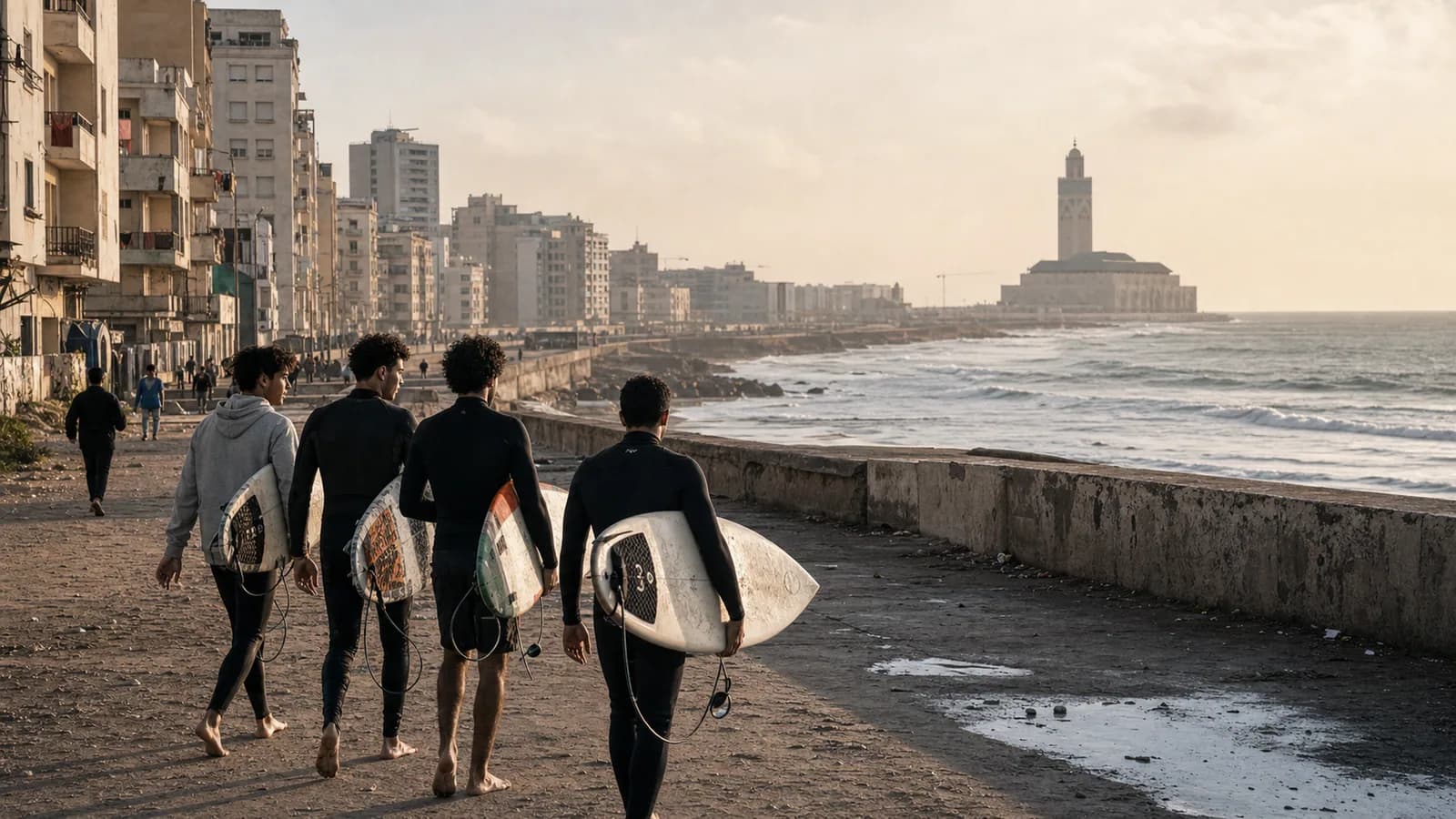
Casablanca surf culture is shaped by contrast. The city moves quickly, loudly, and at enormous scale, while the ocean asks for patience, timing, and attention. A surfer can leave traffic, concrete, work, and crowded streets, then stand in front of Atlantic swell within the same part of the day. That transition gives Casablanca surfing its identity. It is not an escape into a polished resort version of Morocco. It is a local practice woven into the country's largest city, alongside fishing, football, music, design, family life, and the ordinary pressure of getting through the week.
The coast is part of the city, not outside it
Surfing lives inside Casablanca's daily movement
In some surf destinations, the beach becomes a separate world built around visitors. Casablanca works differently. The coast remains connected to commutes, neighborhoods, cafes, schools, working harbors, promenades, and the city's social life. People arrive for a quick session before work, after class, or when the forecast and schedule briefly agree. Boards travel through urban streets rather than only on the roofs of surf vans.
This proximity makes surfing more accessible, but it also means the shoreline carries many uses at once. Walkers, swimmers, fishers, families, clubs, and businesses share the same edge. Respectful surf culture must understand that it is one part of a larger public coast. Access routes cannot be treated as private changing rooms, and a good wave does not erase the needs of everyone around it.
Ain Diab and the habit of checking conditions
Local does not mean harmless
Ain Diab is central to how many people understand Casablanca's oceanfront. It is visible, social, and close enough for conditions to become part of daily conversation. Yet familiarity should never be confused with predictability. Atlantic swell, wind, tide, current, and the shape of the beach can change the session quickly. Local schools and experienced surfers build their decisions from repeated observation.
For beginners, this is valuable. Learning near a city does not mean the ocean is a controlled pool. It teaches the habit of checking before entering, choosing the appropriate zone, and accepting when conditions are wrong. An instructor who cancels or moves a lesson is not ruining the day; they are demonstrating the judgment that keeps a long relationship with the water possible.
Surf schools create more than technique
A good surf school teaches standing, paddling, and wave selection, but its deeper role is cultural. It introduces etiquette, explains currents, shows where equipment belongs, and connects new surfers to people who have watched the coast over many seasons. Mentorship matters in a city where interest can spread faster than knowledge. Without guidance, crowded beginner zones become unsafe and local relationships become tense.
Schools also create pathways for young people to imagine work and community around the ocean: coaching, photography, repair, design, safety, events, and responsible tourism. The strongest version of this growth stays connected to local ownership. Visitors and new surfers should value the instruction, pay fairly, listen carefully, and avoid treating local expertise as free background information for their own content.
- Book qualified local instruction instead of learning through uncontrolled trial and error.
- Ask about etiquette, entry routes, and hazards before asking where the best wave is.
- Support local repair, food, transport, and surf businesses when possible.
- Give beginners room while still holding clear safety boundaries.
Fishing belongs in the same coastal picture
The Atlantic has more than one local language
Casablanca's Atlantic identity cannot be reduced to surfing. Fishing lines, boats, markets, shore platforms, and family knowledge are older and broader parts of the coast. Surfers and anglers often read the same wind, tide, whitewater, and access points for different purposes. They may also compete for narrow spaces when communication is poor.
The healthier culture recognizes working and inherited relationships with the sea. Surfers should not paddle through casting zones or leave boards across access. Fishers should avoid lines through crowded surf entries when safer alternatives exist. A short conversation can prevent conflict. Fishing Waves was named from this overlap because both practices carry patience, equipment rituals, weather awareness, and a reason to return even when conditions offer very little.
Style grows from practical coastal life
Function gives the visual language credibility
Casablanca style is often described through modernity, streetwear, architecture, and creative energy. Surf culture adds salt, worn fabric, functional layers, repaired boards, sun-faded color, and clothing that moves between water and city. The most convincing coastal style is not costume. It comes from what people actually need: warmth after a session, pockets, durable bags, loose layers, sun protection, and pieces that still make sense away from the beach.
This is where a product such as a surf poncho becomes more than a photograph. It solves changing and warmth, then carries a visual identity connected to the coast. Limited drops can preserve that specificity when they are built with purpose. The product should feel like it belongs beside a board, a fishing rod, a cafe chair, or a city wall without pretending each customer lives permanently on the sand.
Creators shape the image, and carry responsibility
Document the culture without consuming it
Photography and video help Casablanca's surf scene see itself and reach wider audiences. They can document skill, weather, friendships, local history, and the changing coastline. They can also flatten the city into a backdrop, reveal sensitive spots, or turn local people into unnamed scenery. Responsible creators ask permission, credit people, avoid unsafe pressure, and understand that publishing a location can change it.
Not every session needs a camera. When filming, stay out of working paths and do not encourage beginners to take risks for a clip. Share context along with aesthetics: local instruction, cleanup, etiquette, and the names of people doing the work. A community-first image is not less beautiful. It is more honest about who made the moment possible.
A Casablanca session is never only the wave
City and ocean are one continuous day
The memory may include the tram or taxi, a board carried through a doorway, a friend checking the wind, a tea afterward, a fisherman packing line, or traffic returning you to the center. These details are why Casablanca surf culture cannot be copied by placing generic beach graphics on clothing. The identity comes from movement between city and water, and from people who keep making that movement part of their lives.
Read more about why surfing and fishing belong together, visit the Fishing Waves About page, or explore Wave Club and the latest limited collections. The brand's role is not to claim ownership of Casablanca surf culture. It is to contribute products, stories, and gathering points that respect the people already building it.
Common questions
Can you surf in Casablanca?
Yes. Casablanca has an active surf community and schools around its Atlantic coast. Conditions vary significantly, so beginners should use local instruction and check the day carefully.
Where is Casablanca surf culture centered?
Ain Diab is a visible part of the city's surf identity, but the wider culture includes schools, clubs, creators, shops, fishing communities, and coast users across Casablanca.
Is Casablanca a surf town?
It is better understood as a major Atlantic city with a real surf culture inside it. Surfing shares the shoreline with work, families, fishing, nightlife, transport, and dense urban life.
Shop the latest coastal drop.
Limited products shaped by Atlantic sessions, shore days, and Casablanca movement.
Shop Fishing WavesJoin the Fishing Waves community.
Eligible owners connect through product passes, member access, community stories, and future coastal projects.
Discover Wave ClubRelated stories
All articles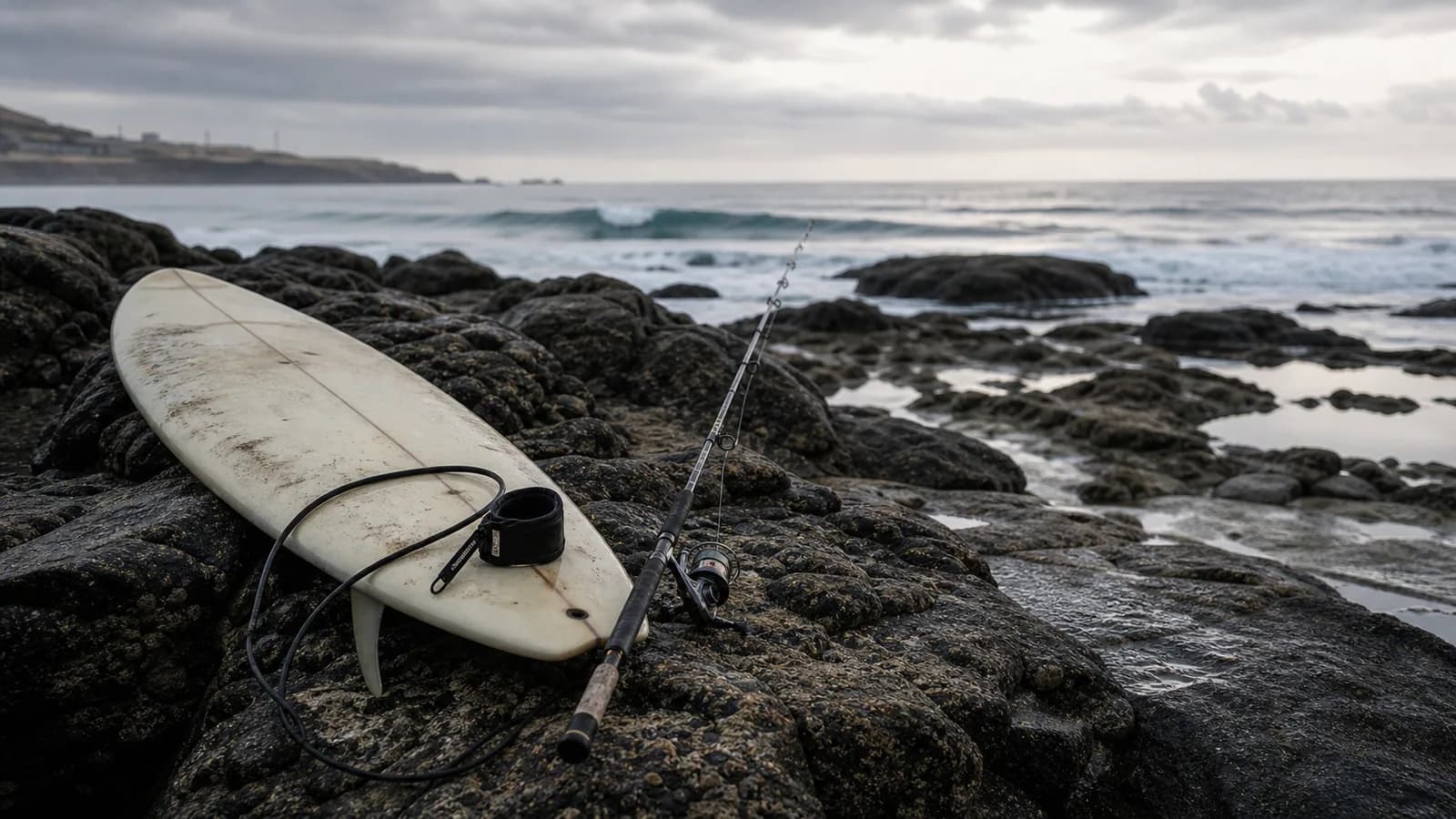
Surfing and Fishing: Why Both Cultures Belong Together
Two different ways of meeting the Atlantic, connected by patience, observation, weather, tides, and responsibility.
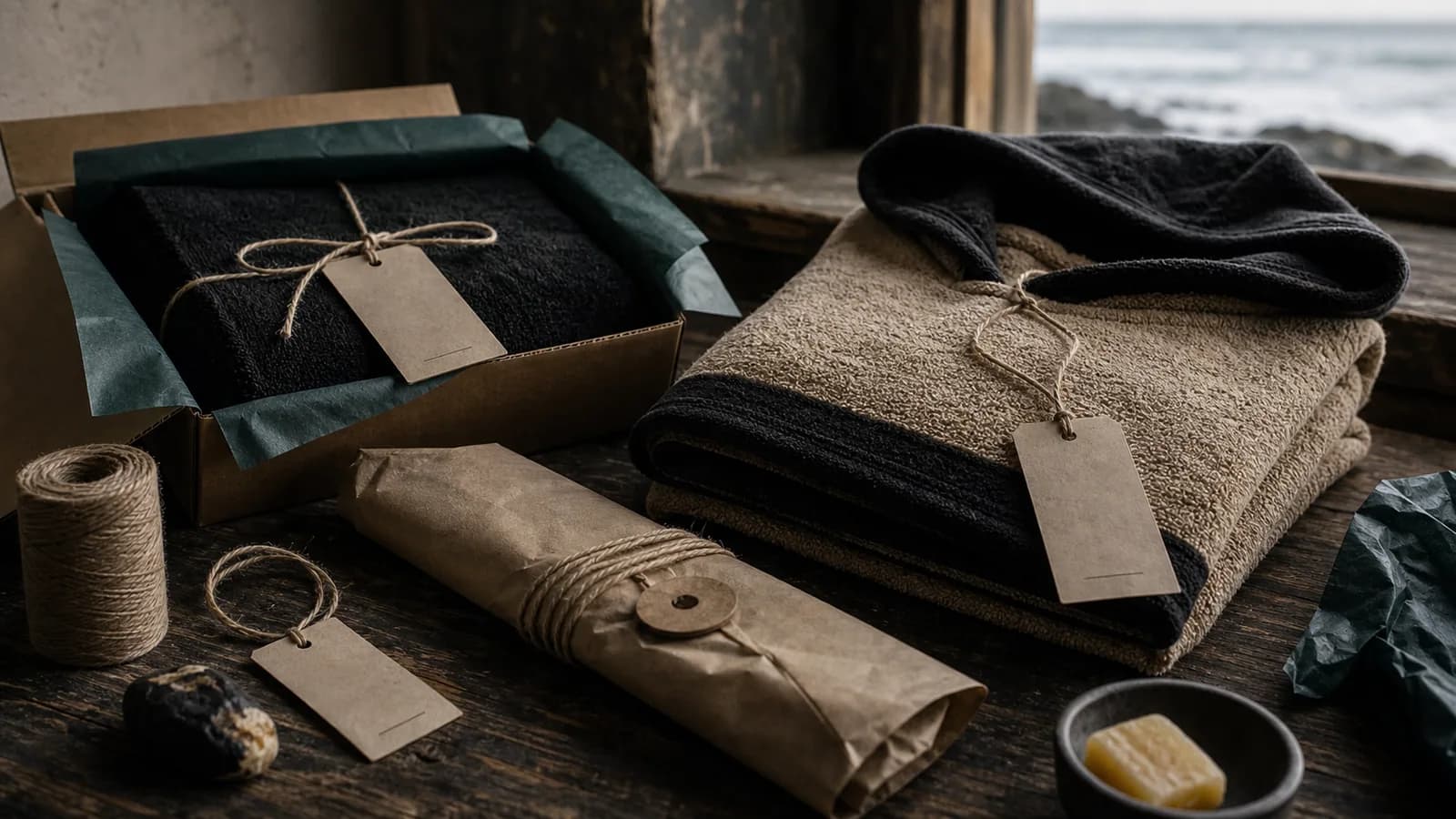
How Limited Surf Drops Create a Stronger Community
Why smaller releases, product identity, private access, verified ownership, and thoughtful resale can deepen a coastal brand community.
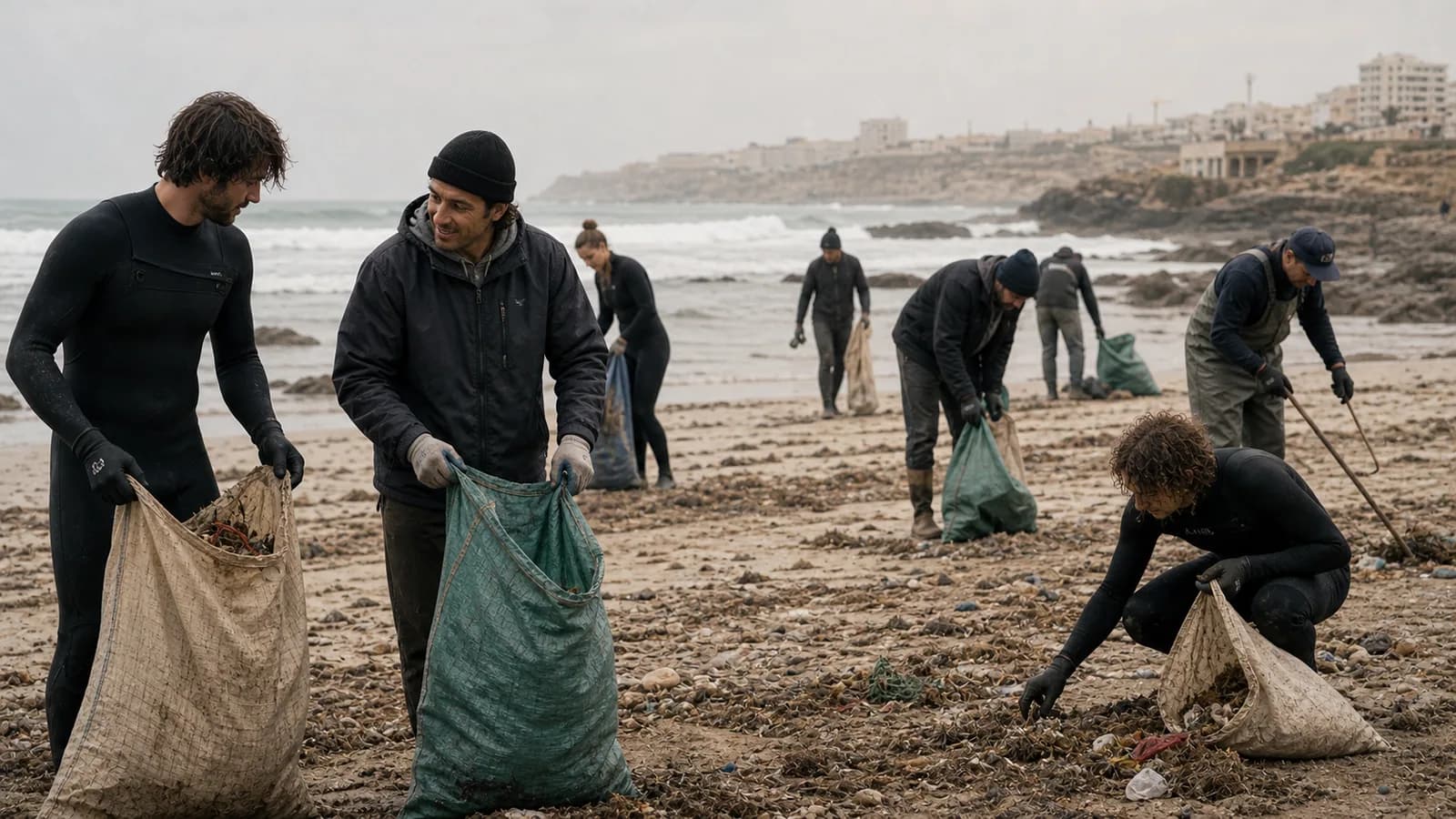
Fishing Waves Guide to Respecting the Ocean
A practical code for surfers, fishers, visitors, and creators who want cleaner beaches, safer sessions, and stronger local trust.