
The Best Time of Year to Surf in Morocco
What autumn, winter, spring, and summer usually bring to Morocco's Atlantic coast, and why the daily forecast still decides the session.
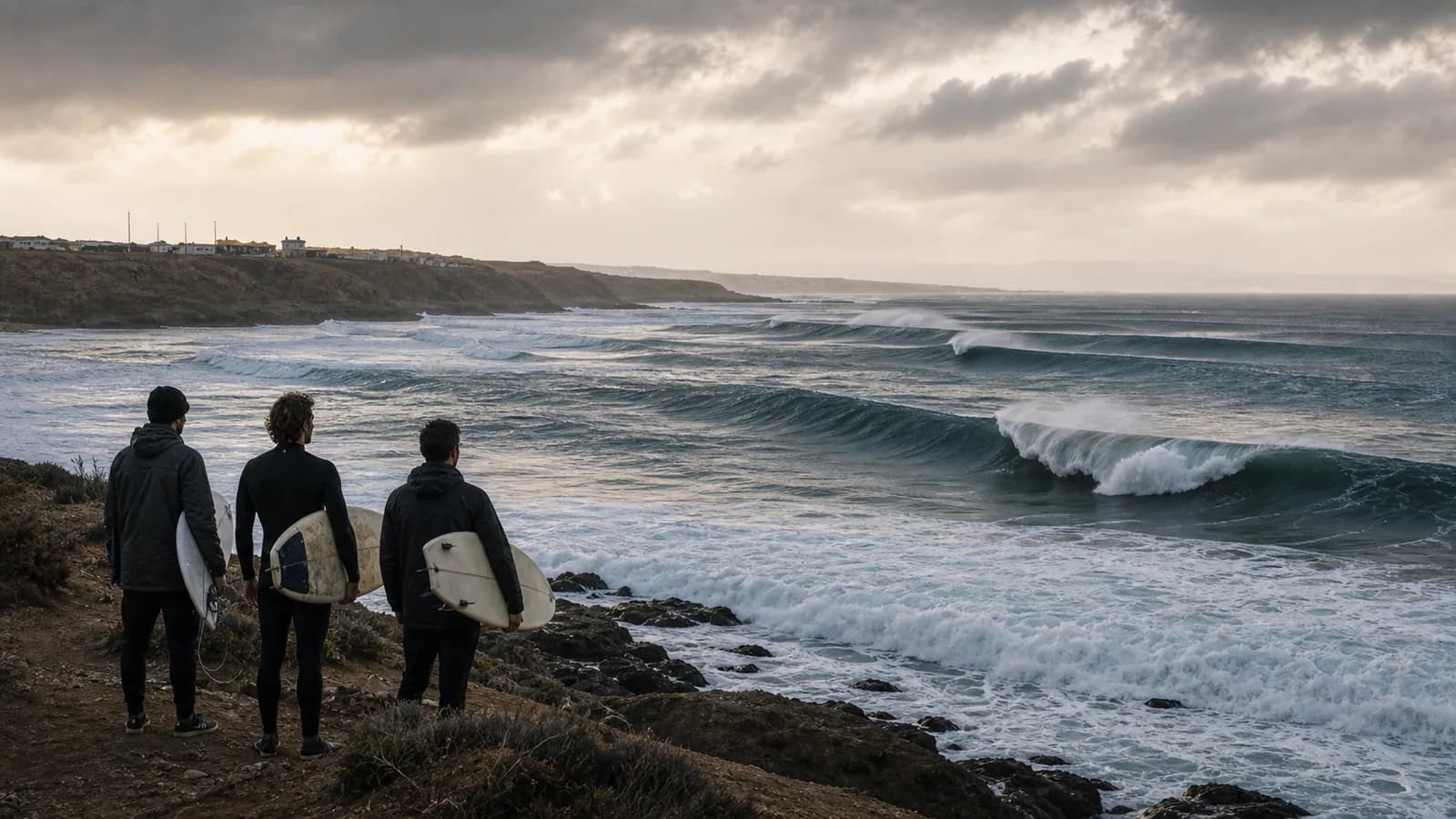
The best time to surf in Morocco depends on what you can surf. Autumn and winter usually bring the strongest and most consistent North Atlantic swell, which attracts experienced surfers to Morocco's point breaks. Summer often brings smaller waves that can be friendlier for beginners, though wind, currents, crowds, and local exposure still matter. Spring sits between those patterns and can offer useful variety. These are broad tendencies, not promises. A good trip plan uses the season to set expectations and the local daily forecast to make the actual decision.
Autumn: consistency begins to build
Warmer days can carry serious swell
From roughly September through November, North Atlantic activity usually begins to increase. Early autumn can combine warmer weather with improving swell, while later weeks may bring more frequent and powerful lines. This transition appeals to intermediate and experienced surfers who want quality without placing the entire trip in the deepest winter period.
Conditions are not uniform across Morocco. Swell direction, local shelter, wind, and bathymetry determine which breaks work. A point that needs more swell may stay quiet while an exposed beach is already too large. Beginners can still find lessons when schools choose protected or smaller areas, but should not assume autumn is gentle because the air feels warm. Watch for the first larger set cycles and ask how the season's changing energy affects entry and current.
Winter: the main season for powerful Atlantic surf
December through February is widely associated with Morocco's most consistent surf. Long-period North Atlantic swell can light up famous point breaks and create long, organized walls. For experienced surfers, this is a central reason to visit. For beginners, the same energy can make exposed beaches, channels, and shorebreak much more demanding. The answer is not that beginners must avoid Morocco in winter, but that location choice and instruction become even more important.
Winter weather can include rain, strong wind, cooler air, and rapidly changing conditions. Bring an appropriate wetsuit, dry layers, and a post-session routine that limits time standing wet. Roads and access may be affected during poor weather. Build flexibility into the schedule rather than expecting a specific break to work on a specific day.
- Expect larger and more consistent swell than in summer.
- Use local guidance to find sheltered beginner zones or choose a rest day.
- Plan for cooler wind, wet gear, and shorter daylight.
- Do not enter famous point breaks without the skill and etiquette they require.
Spring: variety, wind, and transition
A flexible plan performs better than a fixed break list
March through May often brings a mix of leftover winter swell and quieter periods. That variety can create good opportunities for surfers who are flexible, but spring wind may become a major factor in some regions. Morning sessions can be cleaner when wind is lighter, though the daily pattern is never guaranteed.
For learners, spring can work well when a school chooses the right beach and timing. Water and air may still feel cool, particularly during long sessions or cloudy days. Intermediate surfers should resist overestimating ability during a smaller forecast because longer-period swell can produce powerful sets. Spring rewards observation: the season name tells you less than the relationship among swell, wind, tide, and local shelter.
Summer: often smaller, not automatically safe
Beginner-friendly is a condition, not a calendar label
June through August commonly brings smaller, less consistent swell to many Moroccan breaks. That can create approachable whitewater and softer conditions for first lessons. Warm air and long daylight make the coast comfortable, and beginner surf camps often build programs around this period. Popular beaches can also become crowded with swimmers, learners, and visitors.
Smaller waves still produce rip currents, shorebreak, collisions, sun exposure, and wind. Some exposed areas may receive more swell than sheltered points, and flat periods can happen. Beginners should use a school rather than chasing whichever beach appears to have movement. Apply water-resistant sunscreen, carry drinking water, and avoid the idea that a holiday atmosphere removes ocean risk.
Water temperature and wetsuit planning
The air forecast does not tell the whole comfort story
Morocco's Atlantic water remains cooler than many first-time visitors expect, and wind can make the post-session temperature feel lower. Wetsuit needs vary by region, month, session length, and personal tolerance. Local schools and shops are the best source for the current recommendation. Do not choose only from air temperature displayed on a weather app.
A properly fitted wetsuit should limit flushing without restricting breathing and paddling. Bring a warmer option when uncertain, especially in winter and transitional seasons. After surfing, dry quickly and add wind protection. A changing poncho can make exposed beach changes easier, but it should lead to dry clothing rather than replace it.
Crowds, local rhythm, and choosing quieter windows
The best wave is not always the best session
Peak holiday periods and famous swell events can concentrate people at well-known breaks. Crowds change the skill required because surfers need stronger positioning, awareness, and board control. An empty shoulder may disappear as the set arrives. Beginners should avoid main peaks and use designated teaching areas. Experienced visitors should wait their turn and understand that local surfers have an ongoing relationship with the break.
Quieter timing can improve a trip more than chasing maximum swell. Early sessions may have lighter wind or fewer people, but darkness, tide, and local access must still be considered. Midweek travel can reduce some pressure. Support local guides and businesses, and never assume a public forecast gives permission to ignore local customs.
How to plan a Morocco surf trip by ability
Complete beginners should prioritize instruction, gentle water, and several days in one area. Summer often offers more small-wave options, while schools can find suitable protected conditions in other seasons when the forecast allows. Intermediates may enjoy autumn and spring variety but should be honest about point-break etiquette and current. Advanced surfers often target autumn and winter swell, accepting that storms and excessive size can also create no-go days.
Build at least one non-surf day into the plan. Morocco offers working cities, fishing ports, food, craft, music, and landscapes that should not be treated as backup content for a flat forecast. A flexible trip is safer and usually more memorable. Use our beginner spot guide for regional ideas and our wave-reading guide for the daily shore check.
- Beginner: instruction, soft-top board, smaller conditions, repeatable practice.
- Intermediate: varied breaks, stronger etiquette, conservative swell choices.
- Advanced: autumn and winter consistency, with respect for local limits and access.
- Every level: rest days, weather flexibility, and a clear exit plan.
The real answer lives in today's conditions
Use the season for context and the beach for the decision
Seasonal advice is useful for packing and setting expectations. It cannot tell you whether a beach is safe at 9:00 tomorrow morning. Check a reputable surf forecast, official weather and tide information, and current local guidance. Then stand on the beach and compare those sources with the water. If the observed conditions do not match your ability, change the plan.
Fishing Waves is rooted in a coast where people learn to work with uncertainty rather than demand consistency from the ocean. Explore the Morocco beginner spot guide, prepare with the gear checklist, and browse coastal layers for the session you are planning. The best time to surf Morocco is the time when the conditions, location, equipment, and surfer are honestly matched.
Common questions
What months have the biggest surf in Morocco?
Autumn and especially winter, roughly September through February, usually receive the most consistent North Atlantic swell. Exact conditions vary by year, region, wind, and swell direction.
Is summer the best time for beginner surfing in Morocco?
Summer often has smaller waves and long daylight, which can help beginners. It is not automatically safe; use local instruction and check current, wind, crowding, and shorebreak.
Do I need a wetsuit to surf in Morocco?
Often yes. Thickness depends on region, season, wind, session length, and cold tolerance. Ask a local surf school or shop for the current recommendation.
Shop the latest coastal drop.
Limited products shaped by Atlantic sessions, shore days, and Casablanca movement.
Shop Fishing WavesJoin the Fishing Waves community.
Eligible owners connect through product passes, member access, community stories, and future coastal projects.
Discover Wave ClubRelated stories
All articles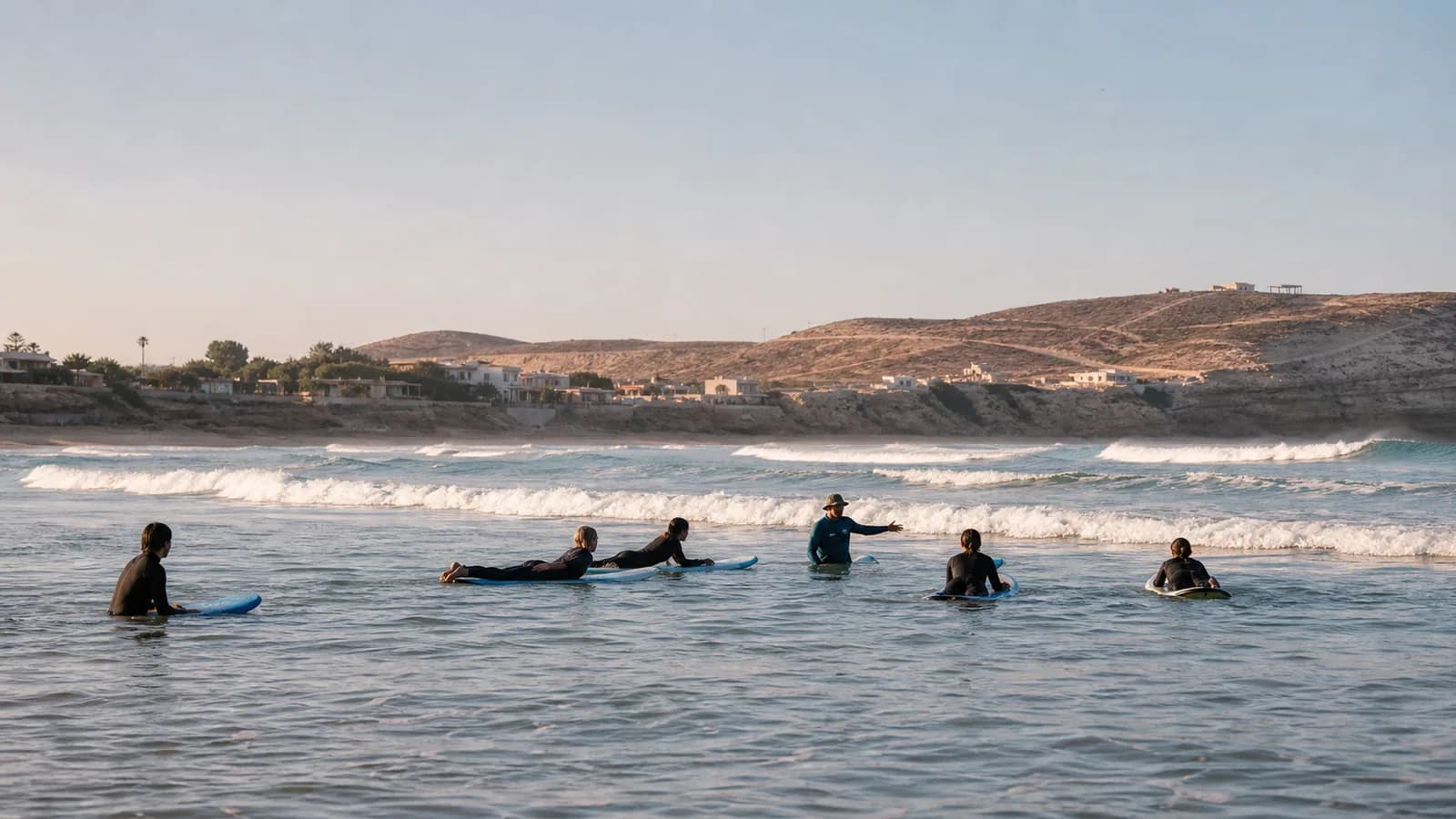
Best Surf Spots in Morocco for Beginners
A practical first-trip guide to gentle waves, good timing, local surf schools, and respectful sessions along Morocco's Atlantic coast.
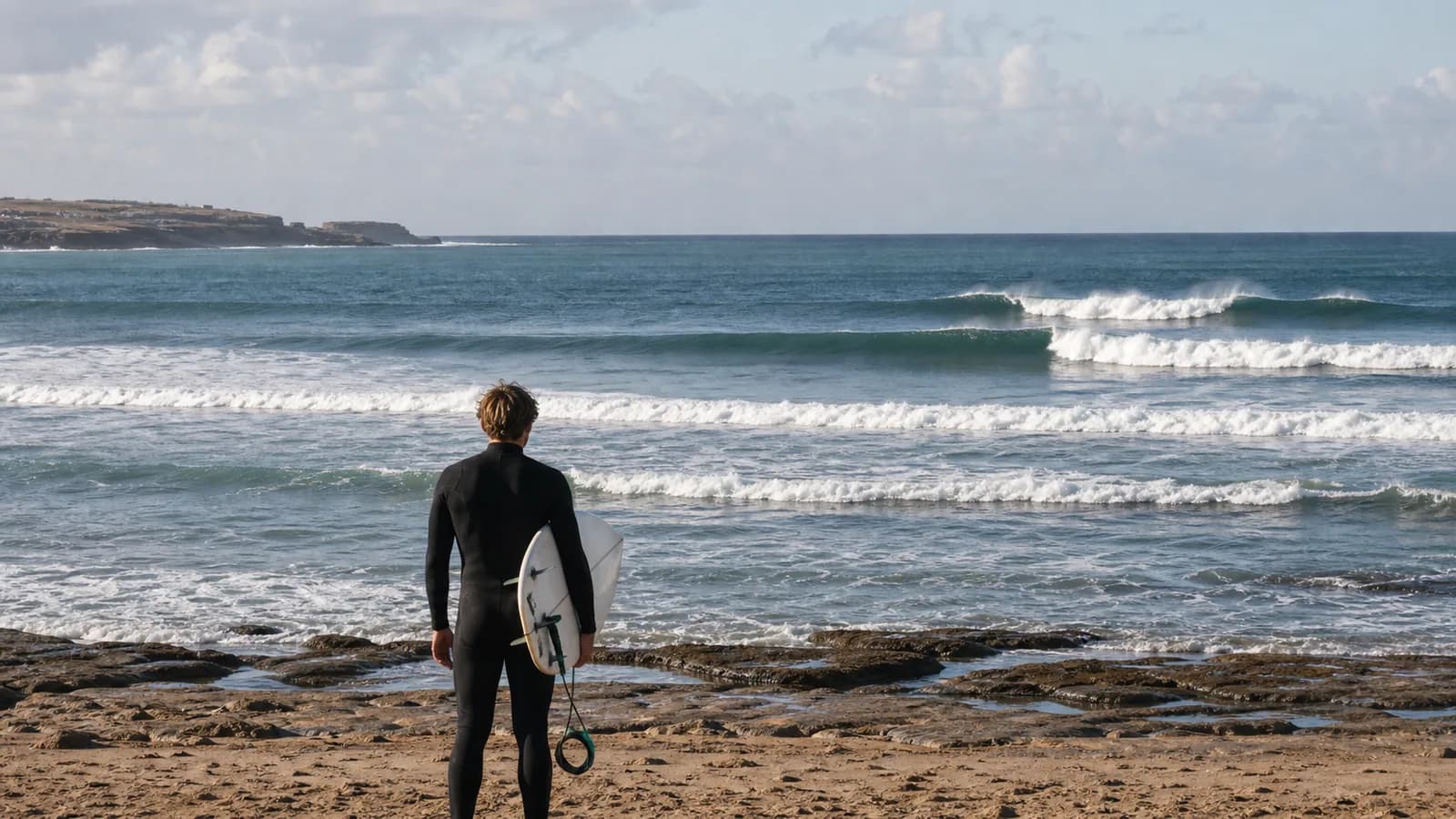
How to Read Waves Before Surfing
A shore-based method for seeing sets, peaks, whitewater, currents, wind, tide, and the safest way into and out of the water.
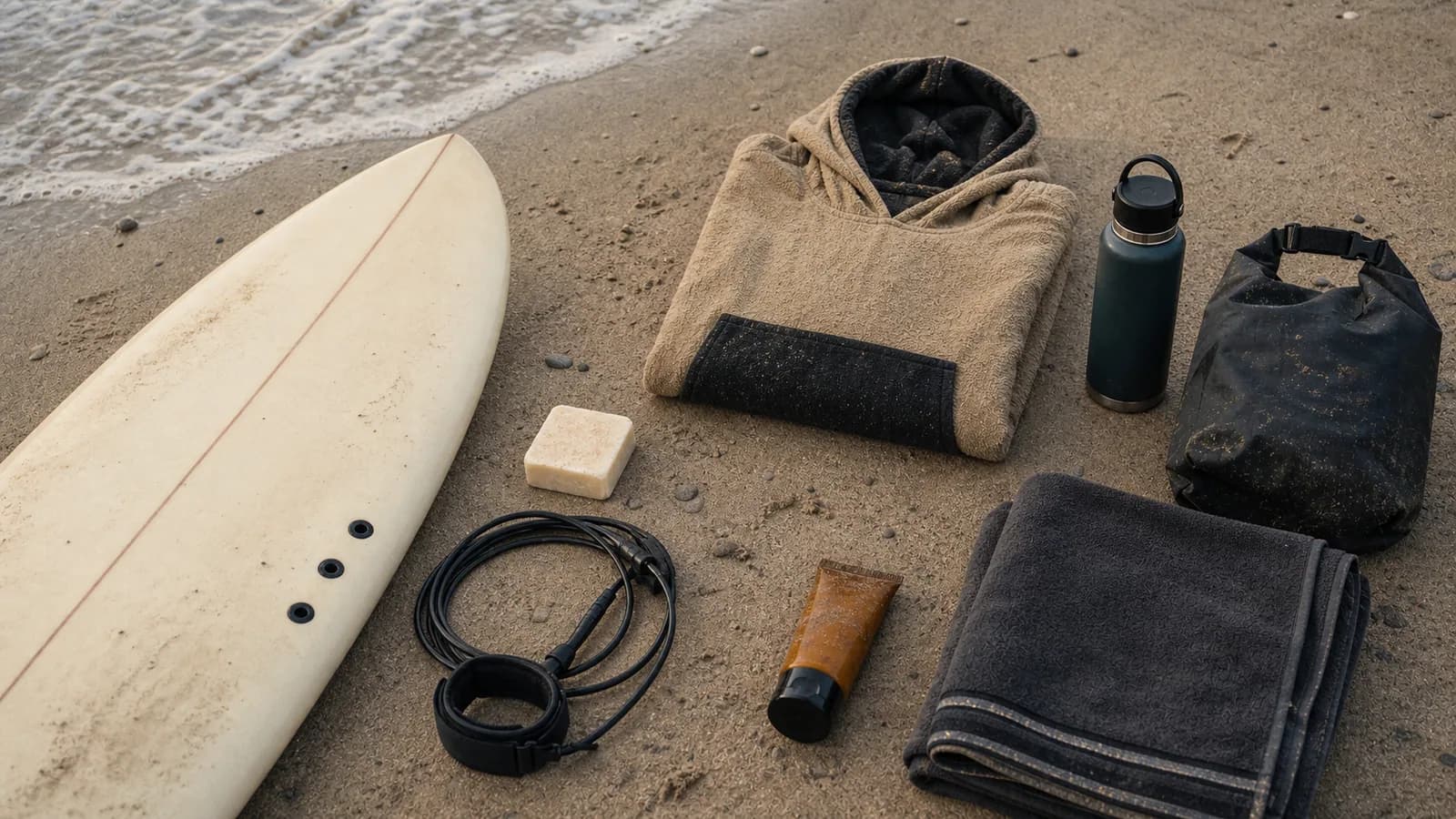
Beginner Surf Gear Checklist Before Your First Session
The essential equipment, comfort items, and behavior checks that make a first surf session safer and less stressful.