
Best Surf Spots in Morocco for Beginners
A practical first-trip guide to gentle waves, good timing, local surf schools, and respectful sessions along Morocco's Atlantic coast.
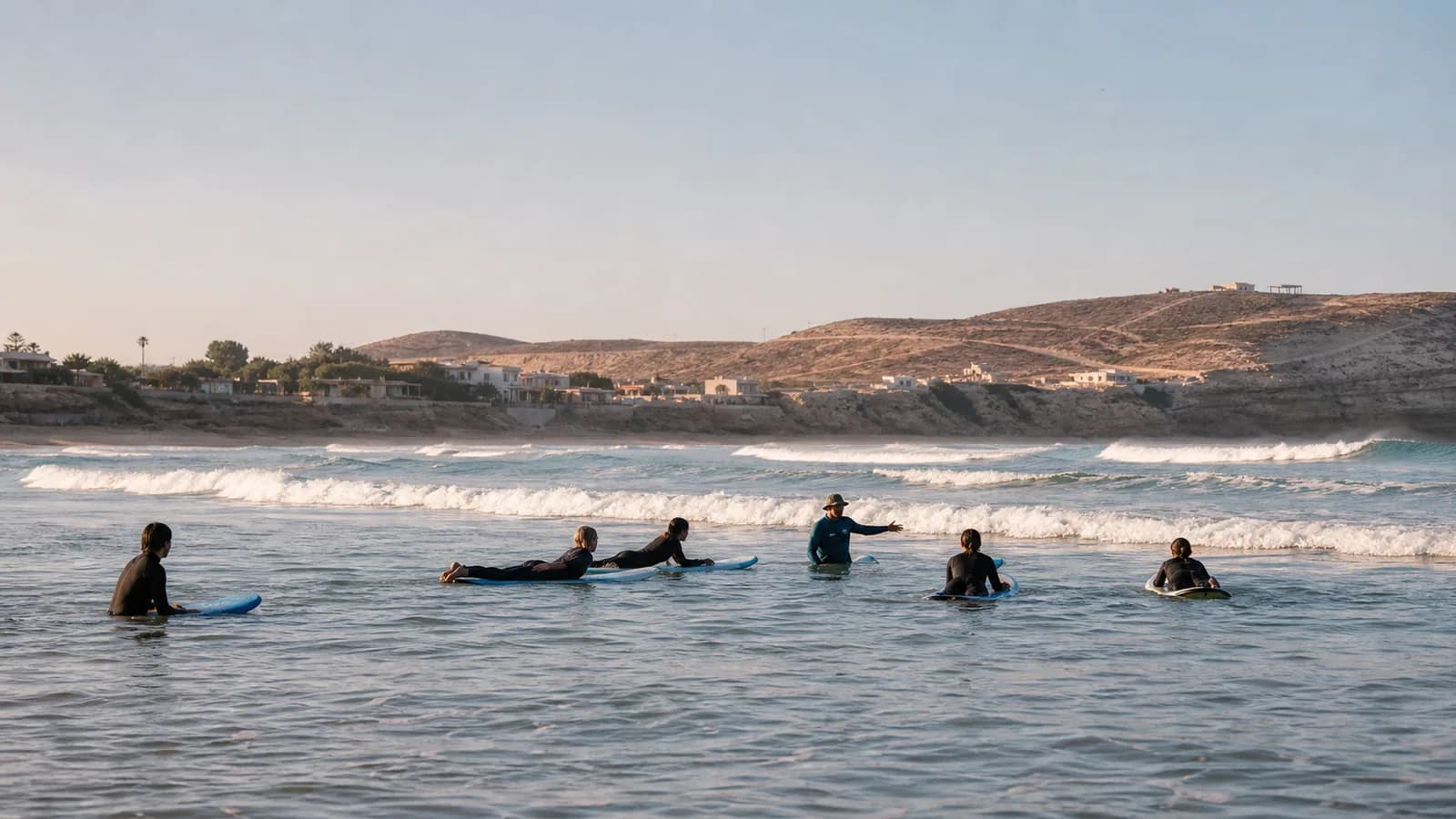
Morocco is known for powerful point breaks, but its Atlantic coast also offers welcoming places to learn. The best beginner spot is where wave size, wind, tide, crowd, instruction, and ability line up. Conditions change quickly, so confirm the plan with a reputable local surf school before entering.
What makes a surf spot beginner-friendly?
A useful beginner wave has a forgiving takeoff, enough whitewater to practice in, and a bottom that does not add unnecessary risk. Sandy beaches are often easier than shallow reef or exposed rock, although every beach still has currents, shorebreak, and changing tide. Space matters too. A small wave becomes stressful when the lineup is crowded or learners sit in experienced surfers' path.
Look for a supervised zone with gentle whitewater, a clear route back to shore, and real instructor attention. Ask about tide, wind, entry, rocks, and current before paddling out. The right session gives you a clear place to stand, move, and return. That clarity is more valuable than a famous name on a map.
- Choose a wave that matches your current ability, not your ambition for the trip.
- Prefer a quieter time of day and leave crowded peaks to surfers who can control their boards.
- Use a soft-top board and a secure leash, and learn basic surf etiquette before entering.
- Check the day's local forecast, but trust what you can see and what local instructors tell you.
Casablanca: a practical place to begin close to the city
Why Casablanca works for some beginners
Casablanca is not always the first destination named in international surf guides, yet it has an active ocean culture and accessible learning options around the Ain Diab coast. For residents or travelers spending time in the city, a lesson here can be the most realistic introduction to beginner surfing in Morocco. You can learn the basics, understand Atlantic water movement, and build comfort without organizing a separate surf-town trip.
Conditions around Casablanca vary with swell, tide, and wind. Some days offer manageable whitewater; other days are powerful, messy, or unsuitable for a first session. The urban shoreline also includes rocks, structures, and busy water zones, so do not choose an entry point by appearance alone. Work with a local school, follow designated areas, and treat the session as a lesson in observation as much as standing up. Casablanca teaches an important habit early: the ocean does not become predictable just because the city is nearby.
Taghazout and Tamraght: instruction, variety, and surf rhythm
Do not confuse a famous surf area with an easy wave
Taghazout and neighboring Tamraght have a dense network of surf schools, camps, rental shops, and coaches. That makes the area convenient for beginners who want several days of structured practice. Instructors can choose among nearby beaches according to the daily swell and wind rather than forcing every student into one break. This flexibility is one of the area's biggest advantages.
The famous names around Taghazout can also create the wrong expectation. Some points are advanced waves with rocks, strong currents, and experienced lineups. Beginners should not paddle into a celebrated break simply because it appears on a travel list. A good school will select a safer beach or whitewater zone and explain why. In Tamraght, the slightly quieter village rhythm can suit learners who want coaching, recovery time, and less pressure between sessions. Wherever you stay, respect access paths, keep noise low near homes, and buy from local businesses when you can.
Imsouane: long rides, with conditions attached
A progression wave still requires etiquette
Imsouane is known for long, smooth rides that look ideal for progression. On the right day, the bay can give learners time to find balance, trim, and understand how a board responds along an unbroken face. That length is valuable because many beginner beach waves end before you can process what happened. A longer ride lets you make one adjustment, then another.
Popularity is the main complication. The lineup can be busy, and a longboard moving through a crowded section requires control. Learners who cannot turn or stop should begin in a clearly separated area with an instructor. Wind and swell can also change the character of the bay. Watch several sets, notice where people enter and exit, and avoid dropping in on a surfer already riding. Imsouane is rewarding when approached with patience; it is not permission to skip the basics of priority and board control.
Essaouira: wind, space, and choosing the right window
Plan around the wind, not only the swell
Essaouira's broad beach and strong coastal identity make it attractive to new surfers, especially those combining surfing with a wider cultural trip. The beach can offer space and approachable whitewater, but the city is also famous for wind. Wind direction and strength can turn a clean learning session into a difficult paddle with poor wave shape. Early sessions are often worth considering because the wind may be lighter, though this is never a guarantee.
Ask a local school which part of the beach is suitable that day. Kitesurfing, windsurfing, swimming, and surfing zones may overlap or shift, so awareness matters. The fishing harbor and working coast are part of Essaouira's life, not scenery arranged for visitors. Give working crews room, do not block equipment or access, and avoid leaving boards or bags where they interrupt movement. Respect for the coast includes respecting the people whose daily work depends on it.
How to choose between these places
Choose Casablanca when you are already in the city or want a first supervised session without building a surf holiday around it. Choose Taghazout or Tamraght when you want a strong instruction network and the flexibility to move between beaches. Consider Imsouane after you can paddle, manage your board, understand priority, and benefit from longer rides. Choose Essaouira when you value a broad cultural trip and can plan carefully around wind.
Season matters, but ability and daily conditions matter more. Summer often brings smaller surf that can suit first lessons, while autumn and winter produce more consistent and powerful swell. Even in summer, currents and shorebreak can be serious. Even in winter, sheltered areas can occasionally be appropriate with expert guidance. Before every session, spend at least ten minutes watching the ocean. Identify the peak, whitewater, current, entry, exit, and the path of other surfers. If the picture is unclear, ask or stay out.
- Book at least one lesson before renting equipment independently.
- Use sunscreen, drinking water, and warm layers or a changing poncho after the session.
- Never leave litter, wax wrappers, bottles, or damaged gear on the beach.
- Avoid sharing sensitive local spots online without the local community's consent.
- When in doubt, choose the smaller wave and the quieter part of the beach.
A better first surf trip is built on respect
Make the session useful, not performative
Progress is easier when you remove the pressure to perform. A first Moroccan surf trip does not need a perfect photograph or a ride at a famous point. It needs repeatable practice, safe choices, and enough curiosity to learn how the coast works. Say hello, wait your turn, keep hold of your board, and listen when a local surfer or instructor warns you about a condition you cannot see.
Fishing Waves comes from this Atlantic relationship between city life, surf sessions, fishing mornings, and the people who know the coast over many seasons. Explore our articles on reading waves and preparing your first-session gear, then build your trip around time in the water rather than a checklist of locations. The best beginner spot is the one that helps you leave with more confidence, more awareness, and more respect than you brought to the beach.
Common questions
Is Morocco good for complete beginner surfers?
Yes, when you use a reputable local school and choose conditions carefully. Morocco has sandy beaches, whitewater zones, and coaches who can move lessons according to the day's swell and wind.
What is the easiest season for beginner surfing in Morocco?
Summer often brings smaller waves, but there is no universally safe season. Check local conditions every day because wind, tide, currents, and swell direction can change a beach quickly.
Can a beginner surf Imsouane?
A supervised beginner can sometimes use suitable sections of the bay, but crowds and longboards require etiquette and board control. Follow a local instructor's choice of zone and timing.
Shop the latest coastal drop.
Limited products shaped by Atlantic sessions, shore days, and Casablanca movement.
Shop Fishing WavesJoin the Fishing Waves community.
Eligible owners connect through product passes, member access, community stories, and future coastal projects.
Discover Wave ClubRelated stories
All articles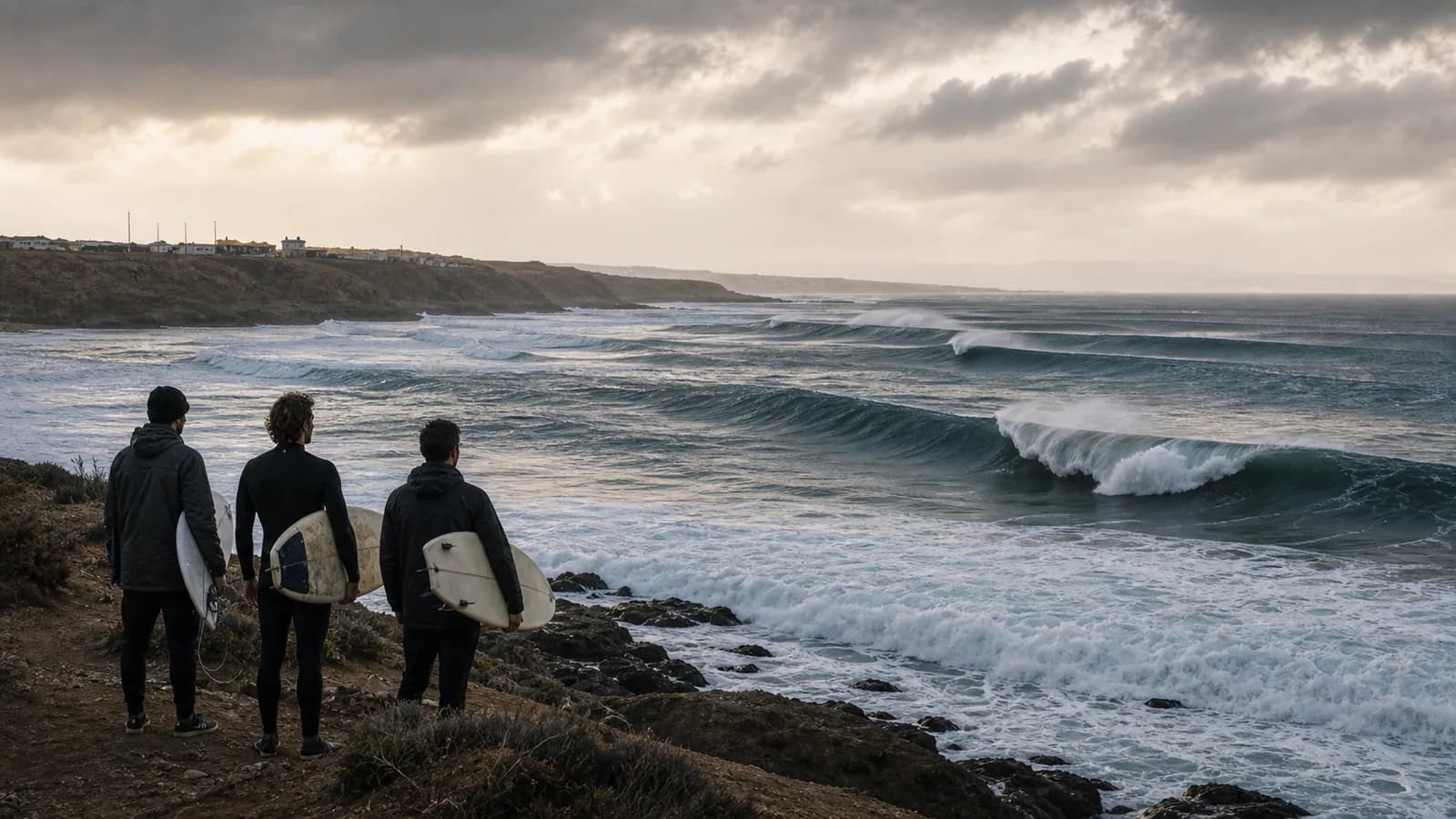
The Best Time of Year to Surf in Morocco
What autumn, winter, spring, and summer usually bring to Morocco's Atlantic coast, and why the daily forecast still decides the session.
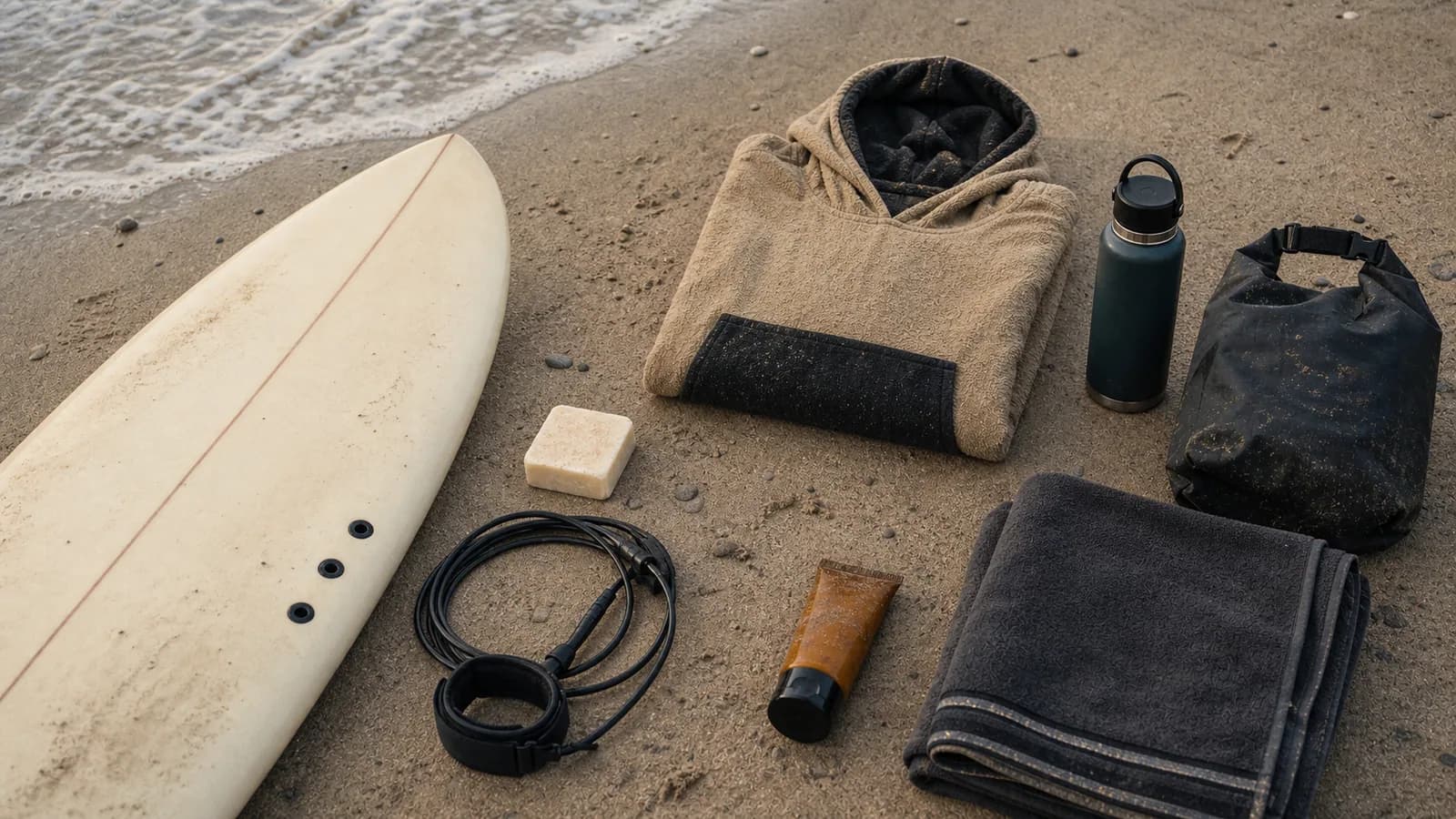
Beginner Surf Gear Checklist Before Your First Session
The essential equipment, comfort items, and behavior checks that make a first surf session safer and less stressful.
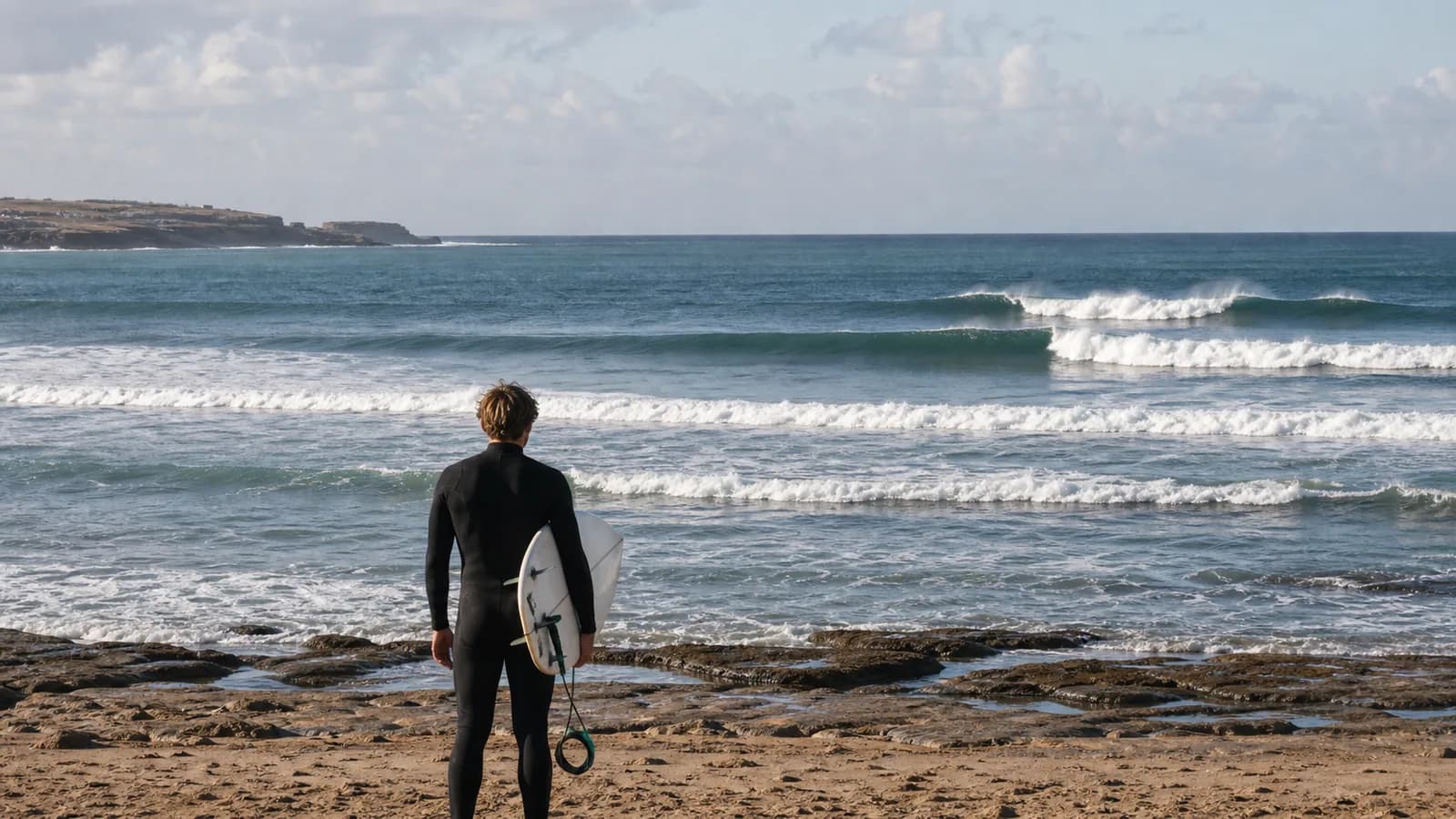
How to Read Waves Before Surfing
A shore-based method for seeing sets, peaks, whitewater, currents, wind, tide, and the safest way into and out of the water.